

April 29, 2026
Introduction: Why Hot Surface Igniters Matter in Modern Heating Systems
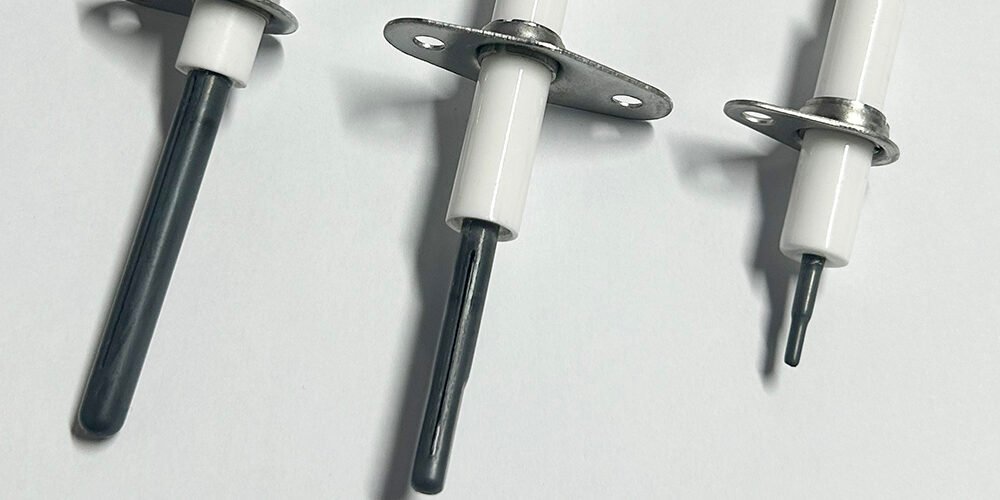
Hot Surface Igniters (HSIs) have become the industry standard for safe, efficient, and reliable ignition in modern gas-fired systems. Widely used across residential, commercial, and industrial heating equipment, these igniters replace traditional pilot flames with advanced electric ignition technology.
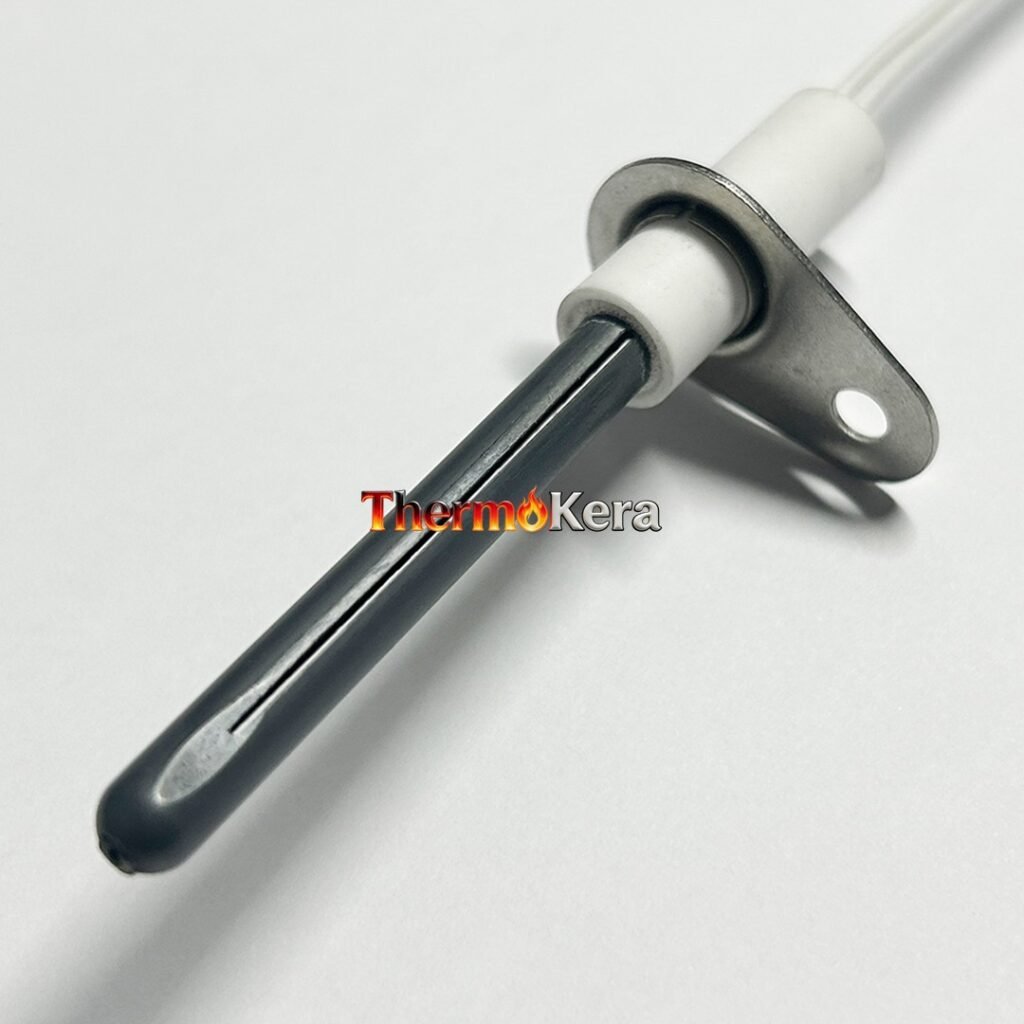
For OEMs, distributors, and maintenance service providers, selecting the right Hot Surface Igniter is critical to ensuring long-term system performance, energy efficiency, and safety compliance. In this guide, we explore key product features, application scenarios, and the differences between conventional igniters and silicon nitride ceramic igniters, while highlighting the competitive advantages of Thermokera solutions.
What Are Hot Surface Igniters?
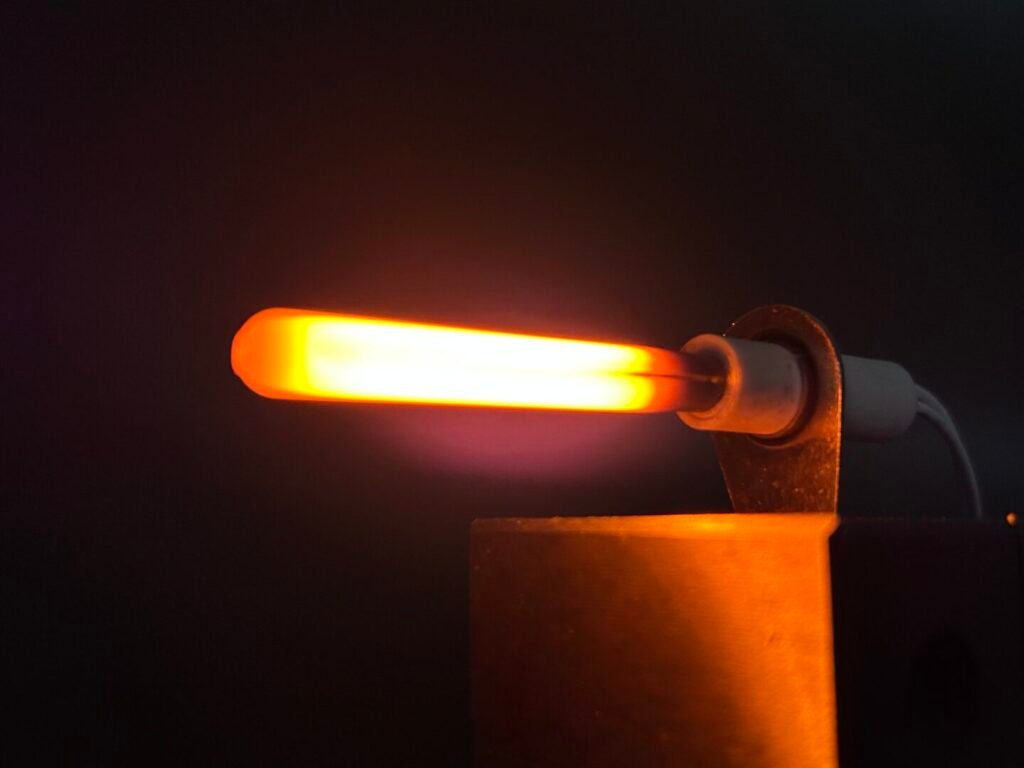
A Hot Surface Igniter is an electrically powered component that heats up to high temperatures (typically 1200°C–1400°C) to ignite gas burners. When voltage is applied, the igniter rapidly reaches ignition temperature, allowing gas to combust without the need for a standing pilot light.
Key Benefits:
- Eliminates continuous pilot flame (reducing gas consumption)
- Enhances ignition reliability
- Supports automated system control
- Improves safety and operational efficiency
Key Features of High-Quality Hot Surface Igniters
When sourcing HSIs for B2B applications, the following product characteristics are essential:
1. Fast Heat-Up Time
Premium igniters achieve ignition temperature within seconds, ensuring quick system startup and reduced energy waste.
2. High Temperature Resistance
Advanced materials allow stable operation under extreme thermal conditions, extending product lifespan.
3. Durability and Thermal Shock Resistance
Frequent on/off cycles require igniters to withstand rapid temperature changes without cracking or failure.
4. Energy Efficiency
Low power consumption designs reduce operational costs, especially in large-scale installations.
5. Application-Specific Configurations
Hot surface igniters can be configured for selected HVAC systems, boilers, furnaces and gas appliances. Voltage, resistance, dimensions, mounting and connector requirements must be verified for each application.
Applications of Hot Surface Igniters
Hot Surface Igniters are widely used across multiple industries:
Residential Heating Systems
- Gas furnaces
- Boilers
- Water heaters
Commercial & Industrial Equipment
- Industrial ovens and kilns
- Commercial cooking appliances
- Drying systems
HVAC Systems
- Rooftop units
- Air handling systems
- Central heating systems
Specialized Equipment
- Agricultural heating equipment
- Greenhouse climate systems
- Food processing machinery
Hot Surface Igniters vs. Silicon Nitride Ceramic Igniters
Understanding material differences is critical for procurement decisions.
Traditional Hot Surface Igniters (Silicon Carbide)
Characteristics:
- Lower initial cost
- Slower heat-up time
- More fragile structure
- Shorter lifespan
Limitations:
- Susceptible to cracking
- Lower resistance to thermal shock
- Higher replacement frequency
Silicon Nitride Ceramic Igniters (Advanced Technology)
Silicon Nitride Igniters represent the next generation of ignition technology.
Advantages:
- Faster ignition speed (reaches temperature in seconds)
- Higher mechanical strength
- Excellent thermal shock resistance
- Longer service life
- Lower energy consumption
- More compact and robust design
For B2B buyers, switching to silicon nitride igniters significantly reduces maintenance costs and improves system reliability.
Why Choose Thermokera Hot Surface Igniters?
As a professional manufacturer in advanced ignition solutions, Thermokera delivers high-performance Hot Surface Igniters designed for demanding industrial and commercial applications.
Products by Category
Thermokera Competitive Advantages:
1. Advanced Silicon Nitride Technology
Thermokera igniters are manufactured using high-grade silicon nitride ceramics, ensuring superior durability and performance compared to conventional silicon carbide igniters.
2. OEM & Customization Capabilities
- Custom voltage options (120V / 230V)
- Flexible design for various equipment
- Tailored solutions for specific industries
3. Strict Quality Control
Each igniter undergoes rigorous testing for:
- Thermal cycling performance
- Electrical stability
- Mechanical strength
4. Global Compatibility
Thermokera products are compatible with major international brands and widely used across Europe, North America, and Asia.
5. Long Service Life
Extended lifespan reduces replacement frequency and total cost of ownership (TCO), making it ideal for large-scale B2B deployments.
How to Choose the Right Hot Surface Igniter for Your Business
When selecting an igniter, consider the following:
- Voltage requirements (120V or 230V)
- Ignition time and temperature
- Application environment (industrial vs residential)
- Material type (silicon carbide vs silicon nitride)
- Compatibility with existing systems
- Supplier reliability and technical support
Conclusion: Upgrade to High-Performance Hot Surface Igniters
In today’s competitive heating and industrial equipment market, upgrading to advanced Hot Surface Igniters is a strategic move for improving efficiency, safety, and reliability.
Thermokera silicon nitride igniters offer a powerful combination of durability, fast ignition, and long service life—making them the preferred choice for OEMs, distributors, and industrial operators worldwide.
If you are looking to optimize your heating systems or expand your product line, investing in high-quality Hot Surface Igniters will deliver measurable long-term value.
FAQ: Hot Surface Igniters
1. How long do Hot Surface Igniters last?
Silicon carbide igniters typically last 1–3 years, while silicon nitride igniters can last significantly longer depending on usage conditions.
2. Are silicon nitride igniters worth the higher cost?
Yes. Their longer lifespan and better performance reduce maintenance and replacement costs over time.
3. Can Hot Surface Igniters be used in industrial applications?
Absolutely. They are widely used in industrial furnaces, ovens, and processing equipment.
4. What causes igniter failure?
Common causes include thermal shock, voltage fluctuations, contamination, and material fatigue.
5. Does Thermokera support OEM projects?
Yes. Thermokera offers full OEM and customization services tailored to B2B clients.

About Author Thermokera Ceramics
Thermokera Electric Heating Ceramics Manufacturing Plant Sales Engineer, with 10 years of specialized experience in ceramic heating rods, alumina, and silicon nitride ceramic ignition products. Proficient in both Chinese and English, with expertise in international trade processes. Providing OEM solutions and professional consulting services for electric heating ceramic products.
March 17, 2026