


April 29, 2026
Hot surface igniter ohms is a critical concept in HVAC systems, gas furnaces, and industrial heating equipment. Understanding the resistance (measured in ohms) of a hot surface igniter (HSI) helps diagnose performance issues, ensure safety, and optimize system efficiency.
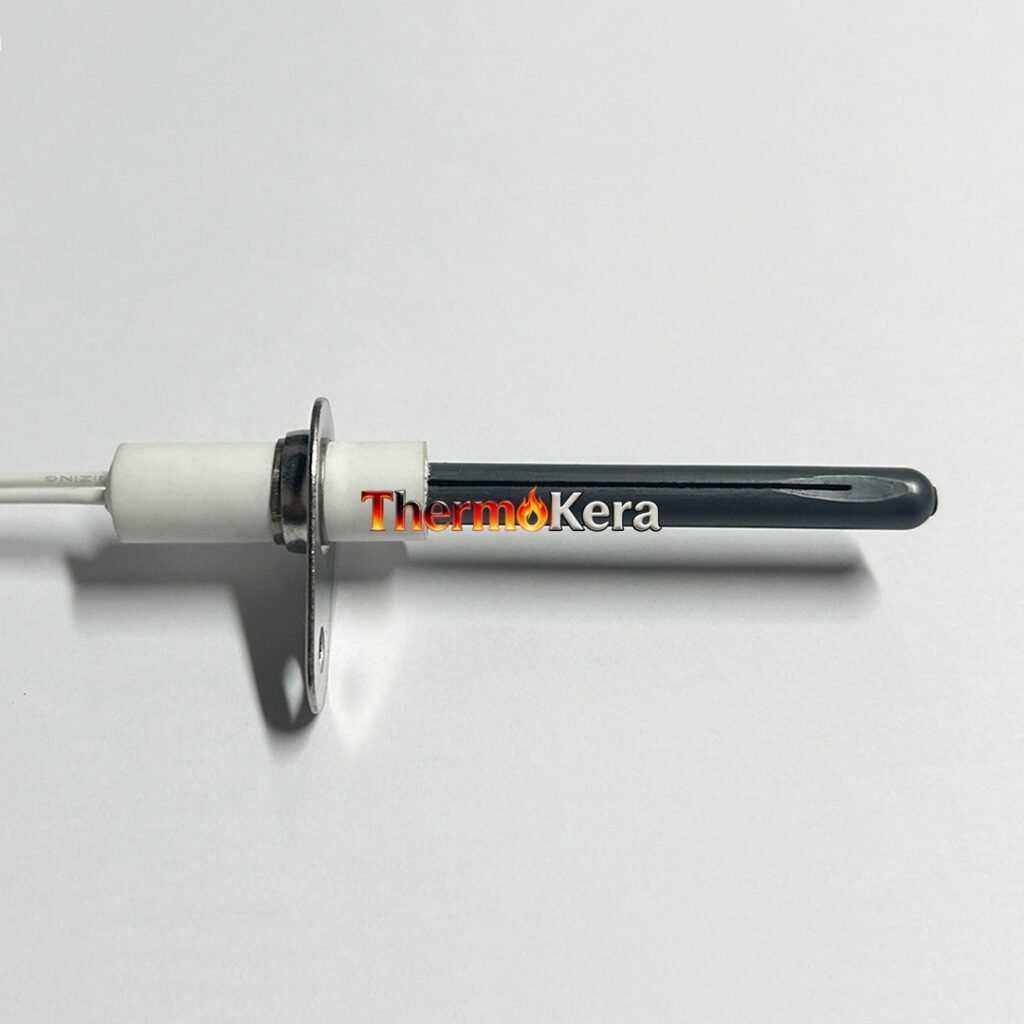
In this guide, we will explain what hot surface igniter ohms means, how to measure it, typical resistance values, and how premium solutions like Thermokera hot surface igniters deliver superior reliability and performance.
What Is a Hot Surface Igniter?
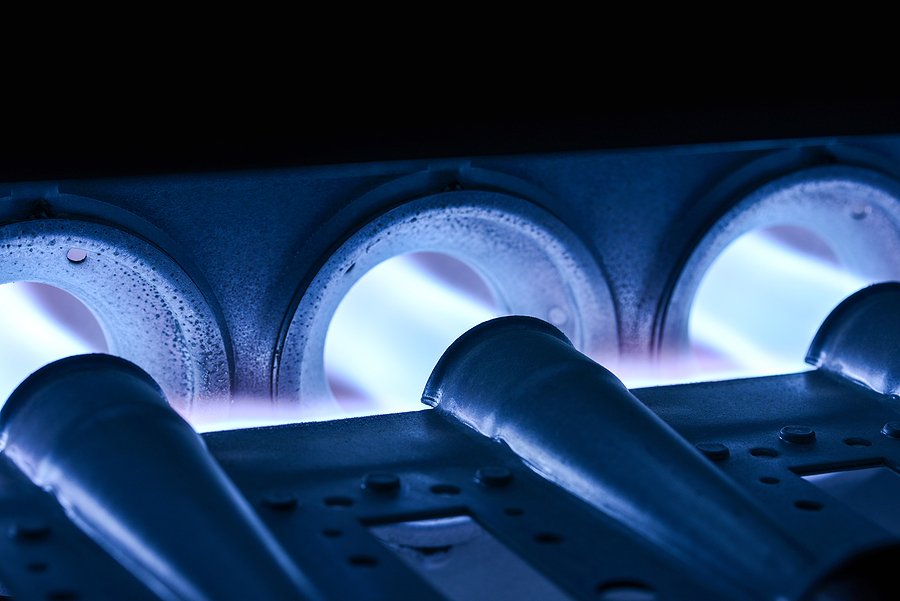
A hot surface igniter (HSI) is an electrical heating element used to ignite gas in furnaces, boilers, and other combustion systems. When powered, it heats up to extremely high temperatures (typically 1200°C–1400°C), igniting the gas-air mixture.
There are two main types:
- Silicon Carbide Igniters – Traditional, lower cost, but more fragile
- Silicon Nitride Igniters – Advanced, more durable, faster heating, longer lifespan
What Does “Ohms” Mean in Hot Surface Igniters?
Ohms (Ω) measure electrical resistance. In a hot surface igniter, resistance determines how much current flows through the igniter and how quickly it heats up.
- Low resistance → higher current → faster heating
- High resistance → lower current → slower heating or failure risk
Resistance is a key diagnostic indicator of igniter health.
Typical Hot Surface Igniter Ohm Readings
Different materials and designs produce different resistance ranges:
| Igniter Type | Typical Ohms (Cold) |
|---|---|
| Silicon Carbide | 40 – 90 Ω |
| Silicon Nitride | 10 – 20 Ω |
| High-efficiency models | 8 – 15 Ω |
Important:
- Always measure resistance when the igniter is cold
- Compare with manufacturer specifications
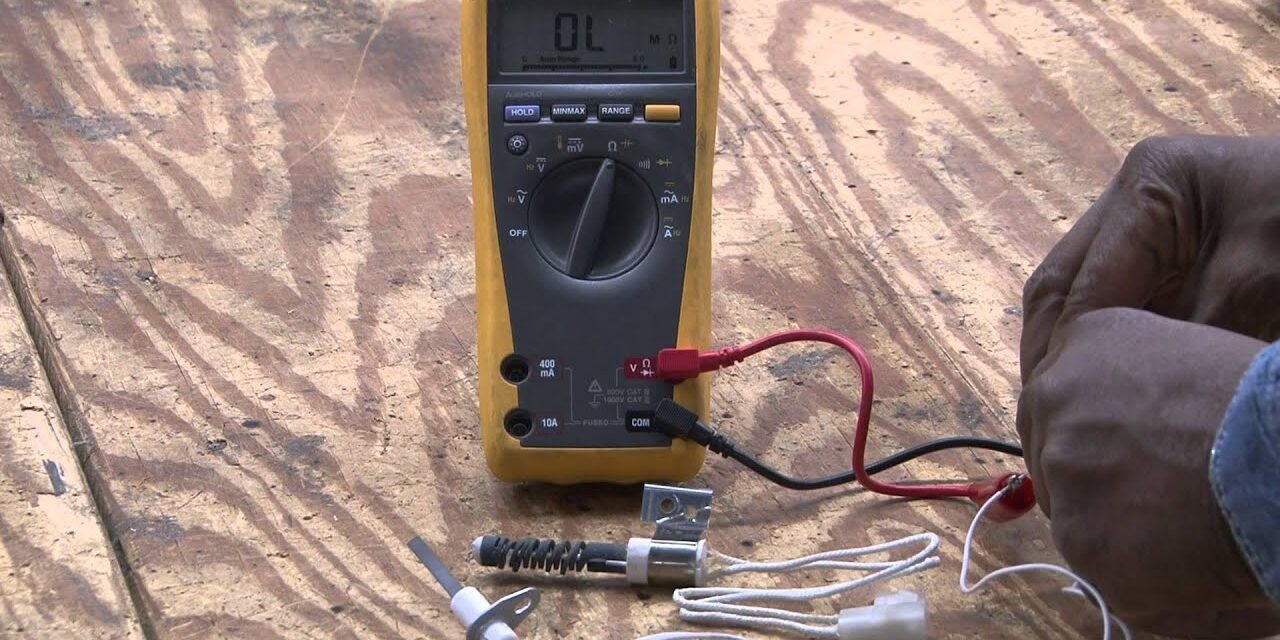
How to Test Hot Surface Igniter Ohms
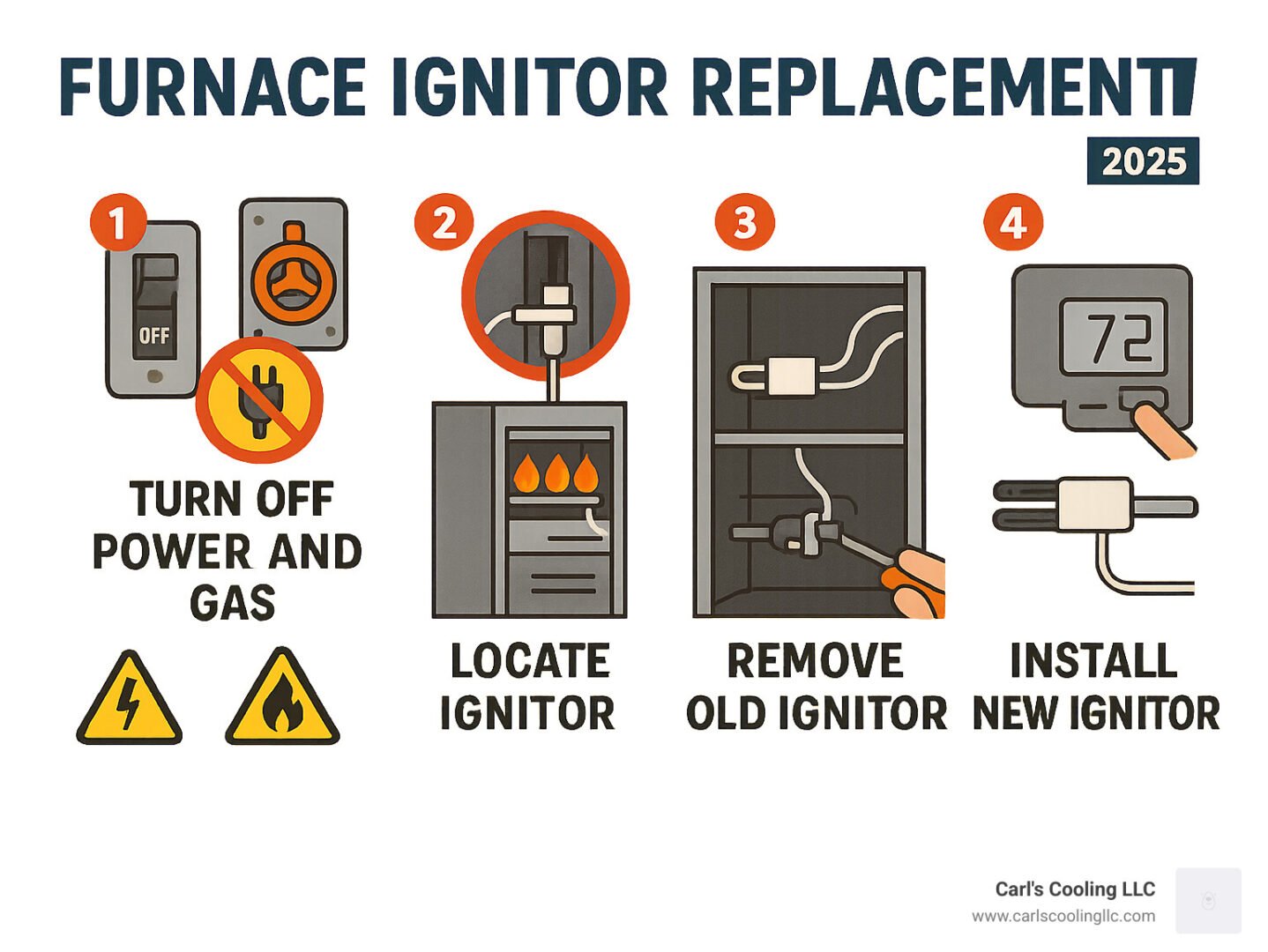
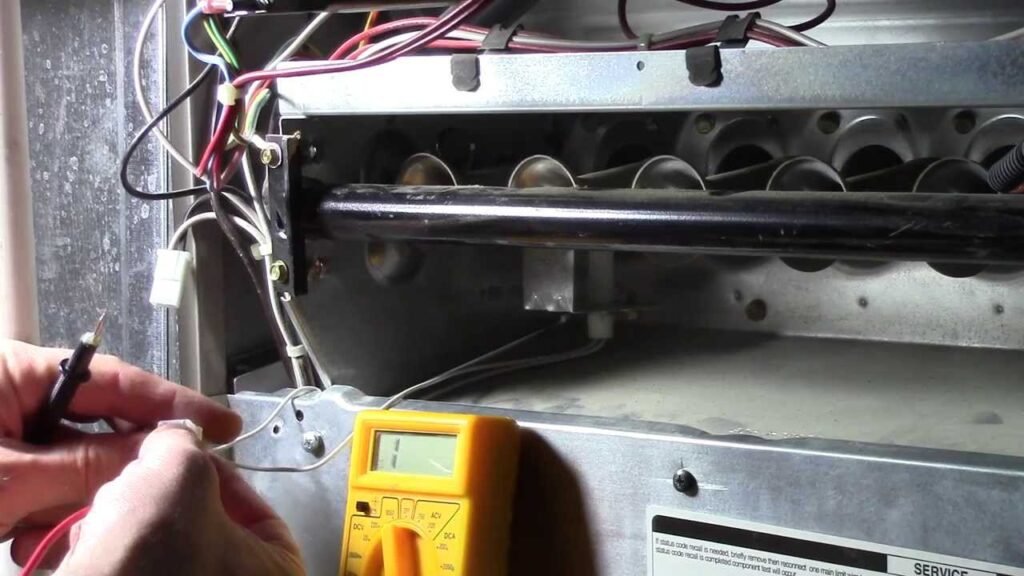
Testing is straightforward with a multimeter:
Step-by-step:
- Turn off power to the furnace
- Disconnect the igniter
- Set multimeter to resistance (Ω)
- Place probes on igniter terminals
- Read the value
Interpretation:
- Within range → normal
- Very high or infinite → broken igniter
- Too low → possible short circuit
Why Hot Surface Igniter Ohms Matter
Understanding igniter resistance is essential for:
1. System Efficiency
Proper resistance ensures optimal heating speed and energy use.
2. Safety
Incorrect resistance can lead to ignition failure or gas buildup.
3. Maintenance & Troubleshooting
Technicians rely on ohm readings to quickly identify faulty igniters.
Common Problems Related to Incorrect Ohms
- Igniter not glowing
- Delayed ignition
- Furnace cycling issues
- Cracked or worn igniter element
- Electrical short or open circuit
Replacing the igniter is often the most cost-effective solution when resistance is out of range.
Why Choose Thermokera Hot Surface Igniters?
Products by Category
When it comes to consistent performance and durability, Thermokera hot surface igniters stand out in the global market.
Key Advantages:
1. Advanced Silicon Nitride Technology
- Lower, stable resistance for faster ignition
- Superior thermal shock resistance
2. Long Service Life
- Up to 2–3 times longer lifespan than traditional silicon carbide igniters
3. High Ignition Efficiency
- Rapid heat-up reduces energy consumption
4. OEM & Replacement Compatibility
- Direct replacement for major furnace brands
5. Strict Quality Control
- Manufactured with precision ceramics and automated processes
6. Cost-Effective for B2B Buyers
- Competitive pricing for distributors, wholesalers, and OEM partners
Applications of Hot Surface Igniters
Thermokera igniters are widely used in:
- Gas furnaces
- Boilers
- Water heaters
- Industrial burners
- Commercial heating systems
Maintenance Tips for Optimal Ohm Performance
- Avoid touching the igniter element directly (oil contamination affects resistance)
- Ensure stable voltage supply
- Inspect regularly for cracks or wear
- Replace igniters showing abnormal resistance
Conclusion
Hot surface igniter ohms is a fundamental parameter for ensuring reliable ignition, energy efficiency, and system safety. By understanding resistance values and testing methods, technicians and buyers can make better maintenance and purchasing decisions.
For high-performance, long-lasting, and cost-efficient solutions, Thermokera hot surface igniters provide a proven choice for global HVAC and industrial heating applications.
FAQ: Hot Surface Igniter Ohms
Q1: What is a bad ohm reading for a hot surface igniter?
A: Infinite resistance or readings far outside the manufacturer’s specified range indicate failure.
Q2: Can an igniter have the correct ohms but still fail?
A: Yes, mechanical cracks or voltage issues can still cause malfunction.
Q3: How often should igniters be tested?
A: During routine furnace maintenance or when ignition issues occur.
Q4: Are silicon nitride igniters better than silicon carbide?
A: Yes, they offer lower resistance, faster heating, and longer lifespan.
If you are sourcing reliable igniters for HVAC or industrial systems, Thermokera provides scalable, high-quality solutions tailored for OEMs, distributors, and global buyers.

About Author Thermokera Ceramics
Thermokera Electric Heating Ceramics Manufacturing Plant Sales Engineer, with 10 years of specialized experience in ceramic heating rods, alumina, and silicon nitride ceramic ignition products. Proficient in both Chinese and English, with expertise in international trade processes. Providing OEM solutions and professional consulting services for electric heating ceramic products.
April 3, 2026

