

April 29, 2026
Understanding Hot Surface Igniter Price and Cost Factors
When sourcing industrial heating components, hot surface igniter price and overall cost structure are critical considerations for OEMs, distributors, and large-scale buyers. Whether you are a manufacturer, wholesaler, or supplier, understanding how pricing is determined—and how to optimize procurement—can significantly impact your margins and competitiveness.
This guide provides a comprehensive breakdown of hot surface igniter costs, product advantages, applications, and why China-based manufacturing (especially Thermokera) offers a strong cost-performance advantage in the global B2B market.
Products by Category
What Is a Hot Surface Igniter?
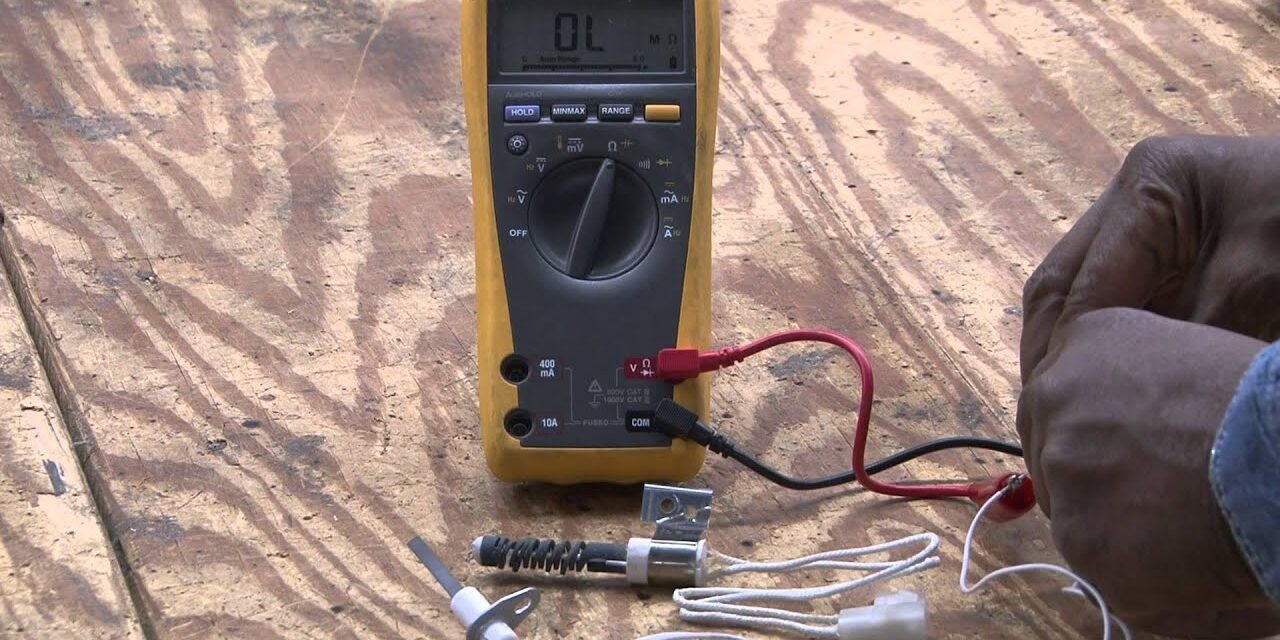
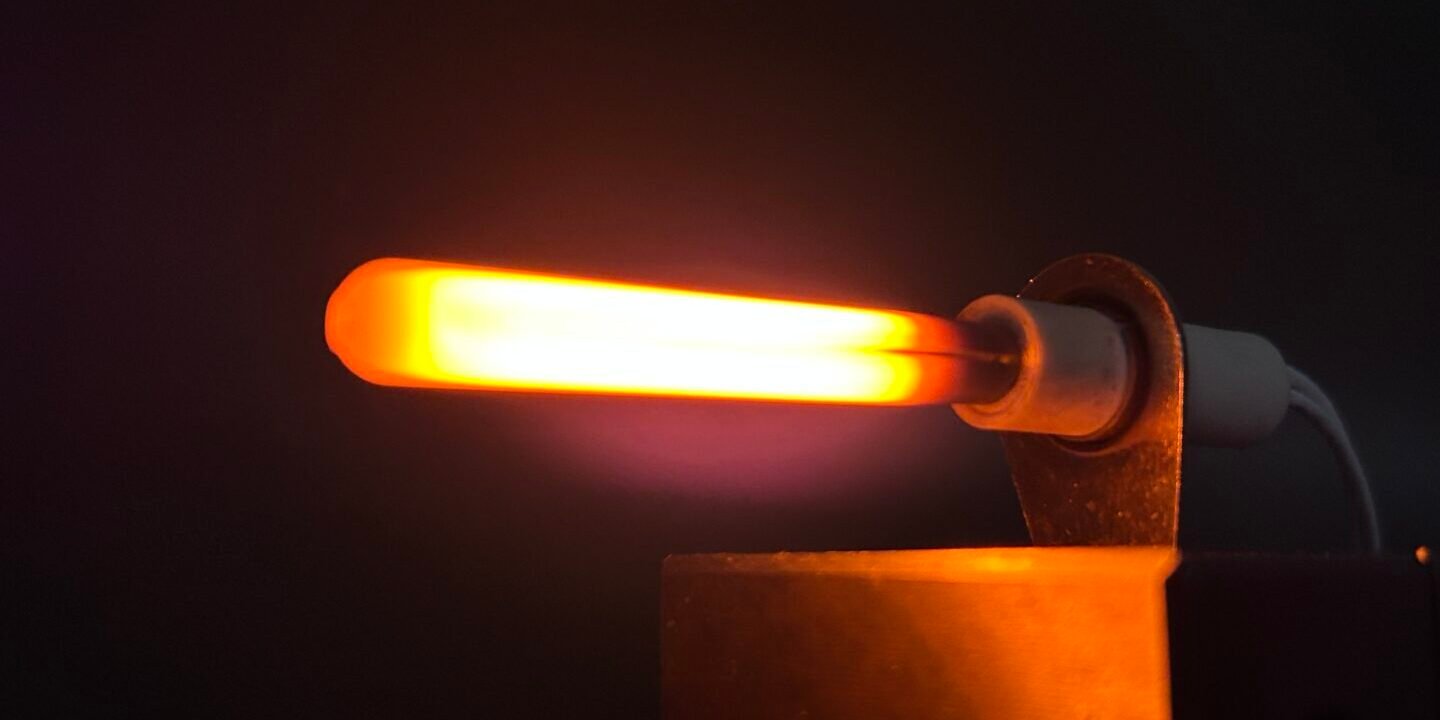
A hot surface igniter (HSI) is an electrical heating element used to ignite gas in furnaces, boilers, ovens, and industrial heating systems. Typically made from silicon carbide (SiC) or silicon nitride (Si3N4), HSIs are known for their reliability, durability, and fast ignition performance.
Key Advantages of Hot Surface Igniters
1. High Efficiency and Fast Ignition
Hot surface igniters heat up rapidly (within seconds), ensuring:
- Faster startup times
- Improved energy efficiency
- Reduced gas waste
2. Long Service Life
Especially for silicon nitride igniters, benefits include:
- High mechanical strength
- Resistance to thermal shock
- Longer lifecycle compared to traditional spark igniters
3. Stable and Safe Operation
- No open spark → lower risk of ignition failure
- Consistent ignition performance in harsh environments
4. Low Maintenance Cost
- Minimal replacement frequency
- Reduced downtime in industrial systems
Main Applications of Hot Surface Igniters
Hot surface igniters are widely used across multiple industries:
- HVAC Systems: Gas furnaces, residential and commercial heating
- Industrial Boilers: Large-scale thermal systems
- Gas Ovens & Kitchen Equipment: Commercial cooking appliances
- Drying Equipment: Agricultural and industrial drying systems
- Petrochemical Industry: Controlled ignition environments
This wide range of applications drives consistent global demand, making HSIs a stable, long-term B2B product category.
Hot Surface Igniter Price: Key Cost Factors
1. Material Type
- Silicon Carbide (SiC): Lower cost, widely used
- Silicon Nitride (Si3N4): Higher cost but superior performance
2. Voltage and Specifications
- 120V, 230V, and custom industrial voltages
- Shape, size, and connector type affect manufacturing complexity
3. Order Volume
- Bulk purchasing significantly reduces unit cost
- OEM/ODM orders benefit from economies of scale
4. Certification Requirements
- CE, UL, CSA compliance adds to cost but increases market access
5. Packaging and Logistics
- Export packaging standards
- Shipping method (air vs sea)
Typical Hot Surface Igniter Price Range (B2B)
For reference (bulk purchase pricing):
- Standard SiC Igniter: $3 – $8 per unit
- Silicon Nitride Igniter: $6 – $15 per unit
- Customized/OEM Models: $10 – $25+ depending on specs
Note: Prices vary based on quantity, customization, and supplier capabilities.
China Manufacturing Advantage in Hot Surface Igniter Cost
China has become the global production hub for hot surface igniters due to several structural advantages:
1. Large-Scale Production Capacity
- Mature industrial clusters
- Automated production lines
- High output reduces per-unit cost
2. Complete Supply Chain
- Integrated raw material sourcing (ceramics, heating elements)
- Reduced dependency on imports
3. Skilled Engineering Workforce
- Strong expertise in ceramic and heating technologies
- Continuous product innovation
4. Cost Efficiency Without Compromising Quality
- Competitive labor and operational costs
- Ability to meet international standards (CE, UL)
Thermokera: Reliable Hot Surface Igniter Manufacturer & Supplier
For B2B buyers seeking a trusted manufacturer, wholesaler, and supplier, Thermokera stands out with strong competitive advantages:
1. Advanced Silicon Nitride Technology
- High-performance igniters with longer lifespan
- Superior resistance to oxidation and thermal stress
2. OEM / ODM Capabilities
- Custom shapes, voltages, and connectors
- Private labeling for distributors and brands
3. Strict Quality Control
- Multi-stage testing process
- Compliance with global certifications
4. Competitive Factory Pricing
- Direct-from-manufacturer pricing
- Optimized for bulk orders and long-term partnerships
5. Stable Global Supply
- Reliable production capacity
- Fast delivery for international clients
How to Reduce Hot Surface Igniter Procurement Cost
For importers and distributors, consider these strategies:
- Bulk Purchasing: Lower unit price through volume
- Standardization: Reduce customization complexity
- Long-Term Contracts: Lock in stable pricing
- Direct Manufacturer Sourcing: Avoid middleman margins
- Optimize Logistics: Consolidate shipments
Conclusion: Choosing the Right Hot Surface Igniter Supplier
Understanding hot surface igniter price and cost structure is essential for making informed B2B purchasing decisions. While pricing varies depending on material, specifications, and volume, sourcing from a reliable Chinese manufacturer like Thermokera provides a clear advantage in terms of:
- Cost efficiency
- Product quality
- Customization flexibility
- Scalable supply
For manufacturers, wholesalers, and suppliers looking to stay competitive, investing in high-quality, cost-effective hot surface igniters is a strategic move that delivers long-term value.
FAQ: Hot Surface Igniter Price & Cost
Q1: What is the average hot surface igniter price for bulk orders?
A: Typically ranges from $3 to $15 per unit depending on material and specifications.
Q2: Why are silicon nitride igniters more expensive?
A: They offer longer lifespan, बेहतर durability, and higher efficiency, resulting in better total cost of ownership.
Q3: Is sourcing from China reliable for igniters?
A: Yes, especially when working with established manufacturers like Thermokera with proven export experience.
Q4: Can I customize hot surface igniters for my brand?
A: Yes, most manufacturers offer OEM/ODM services including branding and technical customization.
Q5: How can I reduce overall procurement cost?
A: Focus on bulk purchasing, standardization, and direct factory sourcing.

About Author Thermokera Ceramics
Thermokera Electric Heating Ceramics Manufacturing Plant Sales Engineer, with 10 years of specialized experience in ceramic heating rods, alumina, and silicon nitride ceramic ignition products. Proficient in both Chinese and English, with expertise in international trade processes. Providing OEM solutions and professional consulting services for electric heating ceramic products.
March 19, 2026