

March 2, 2026
Industrial Applications, Material Science, and Supplier Selection Strategies
High-temperature ceramic heating elements are becoming mission-critical components in modern industrial heating systems. As industries demand higher thermal efficiency, longer service life, faster heat-up cycles, and cleaner combustion, advanced ceramic technologies—particularly silicon nitride and silicon carbide—are replacing traditional metal heating elements.

In this 2026 guide, we examine the latest material innovations, industrial applications, engineering selection criteria, and how manufacturers like Thermokera are redefining reliability and performance standards in high-temperature ceramic heating solutions.
What Are High-Temperature Ceramic Heating Elements?
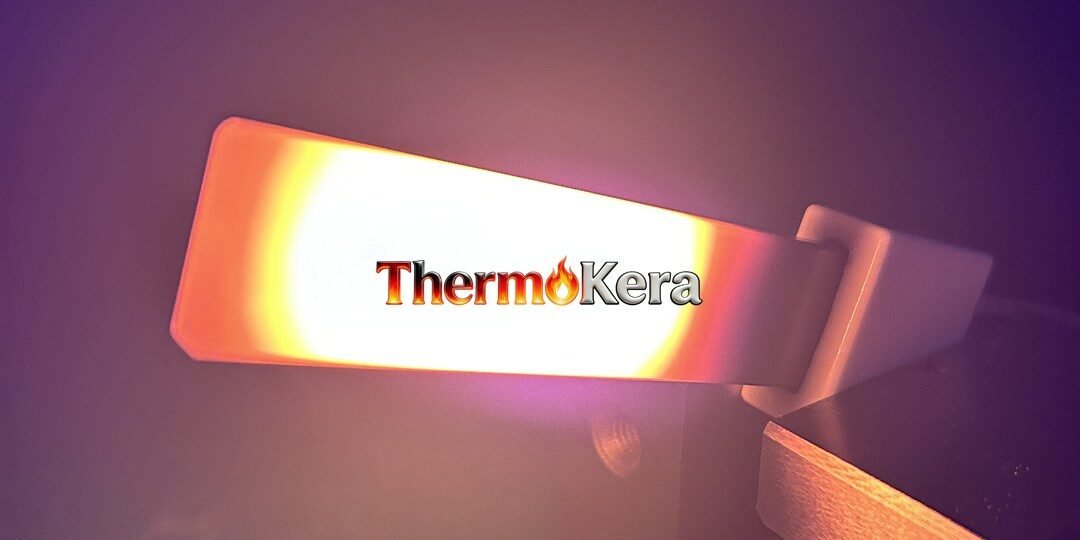
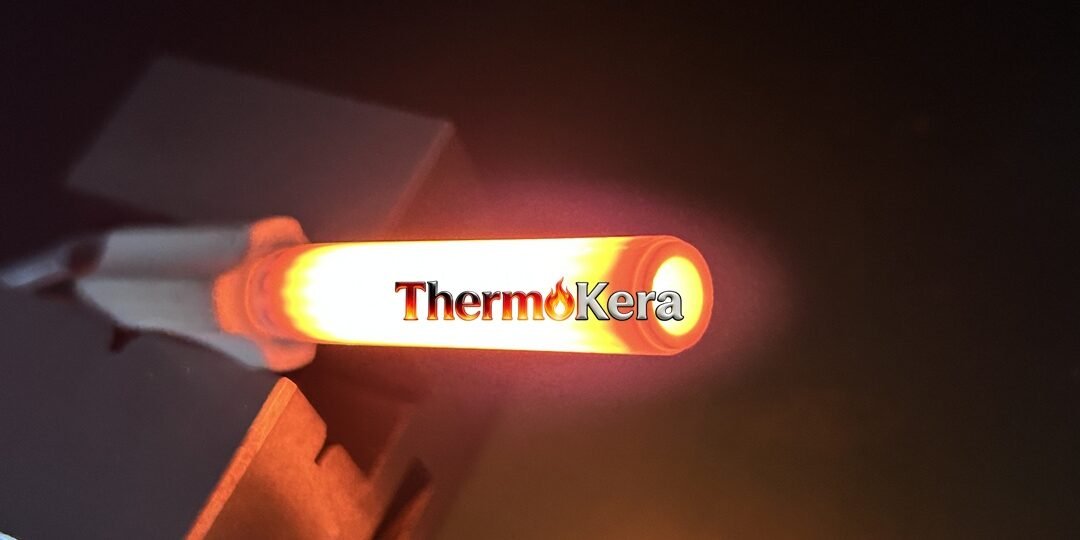
High-temperature ceramic heating elements are engineered components designed to operate reliably in extreme thermal environments—often exceeding 1000°C (1832°F). Unlike metal-based heaters, ceramic elements offer:
- Superior thermal shock resistance
- Rapid heat-up capability
- Corrosion and oxidation resistance
- Electrical insulation stability
- Long operational lifespan
Common ceramic materials include:
- Silicon Nitride (Si₃N₄)
- Silicon Carbide (SiC)
- Alumina (Al₂O₃)
- Molybdenum Disilicide (MoSi₂)
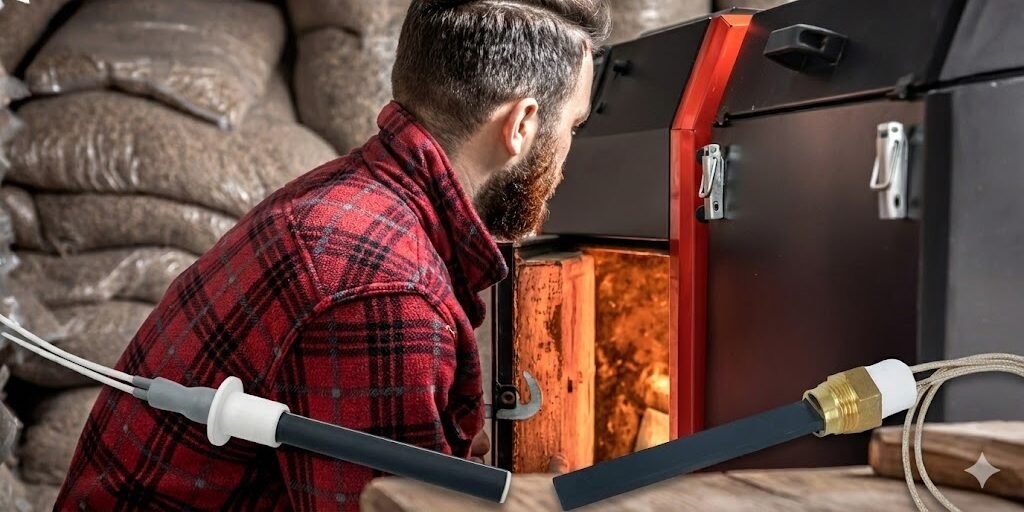
Among these, silicon nitride igniters and heating rods are widely used in pellet stoves, biomass boilers, gas burners, and industrial furnaces due to their fast ignition and durability.
Products by Category
Core Advantages of Modern Ceramic Heating Elements
1. Ultra-Fast Heat-Up Performance
Advanced ceramic elements can reach ignition temperature within 5–20 seconds, significantly reducing energy consumption and system start-up time.
2. High Temperature Stability
Operating temperature ranges can exceed 1000–1400°C depending on material type, maintaining structural integrity without deformation.
3. Extended Service Life
Compared to metal heaters, ceramic elements often deliver 3–5x longer lifespan due to oxidation resistance and superior microstructure density.
4. Energy Efficiency
Higher thermal conversion efficiency reduces power loss and improves system performance—critical in pellet stove and industrial heating markets.
Industrial Applications in 2026
Biomass & Pellet Heating Systems
- Pellet stove ignition systems
- Biomass boilers
- Wood chip burners
- Residential heating units
Silicon nitride igniters have become the preferred solution due to their fast ignition speed and reliability in repeated heating cycles.
Industrial Furnaces & High-Temperature Processing
- Metallurgical processing
- Ceramic kilns
- Heat treatment systems
- Semiconductor thermal equipment
Ceramic heating rods ensure stable performance in continuous high-load environments.
2026 Engineering Trends in Ceramic Heating Technology
- Higher Density Microstructures
Advanced sintering processes improve thermal conductivity and mechanical strength. - Customized Voltage & Power Configurations
OEM-specific resistance and wattage design improve compatibility. - Integrated Temperature Sensors
Smart heating elements now integrate monitoring for predictive maintenance. - Low-Energy Ignition Optimization
Designed for energy-efficient systems complying with EU and North American environmental regulations.
Why Thermokera Is a Trusted Manufacturer in 2026
In a market where supplier reliability directly impacts product safety and brand reputation, choosing an experienced manufacturer is critical.
Thermokera specializes in:
- High-performance silicon nitride ceramic igniters
- Industrial-grade ceramic heating rods
- Custom OEM/ODM heating solutions
- Precision resistance calibration
- Long-cycle durability testing (100,000+ ignition cycles)
- In-house manufacturing and quality control
Manufacturing Strength
- Proprietary ceramic formulation
- Advanced high-temperature sintering facilities
- Strict dimensional tolerance control
- Full lifecycle quality verification
Global Market Compliance
Thermokera products are engineered to meet:
- CE standards
- RoHS compliance
- Industrial environmental safety regulations
By combining engineering expertise with scalable production, Thermokera supports appliance manufacturers, OEMs, and industrial system integrators worldwide.
How to Choose the Right Ceramic Heating Element
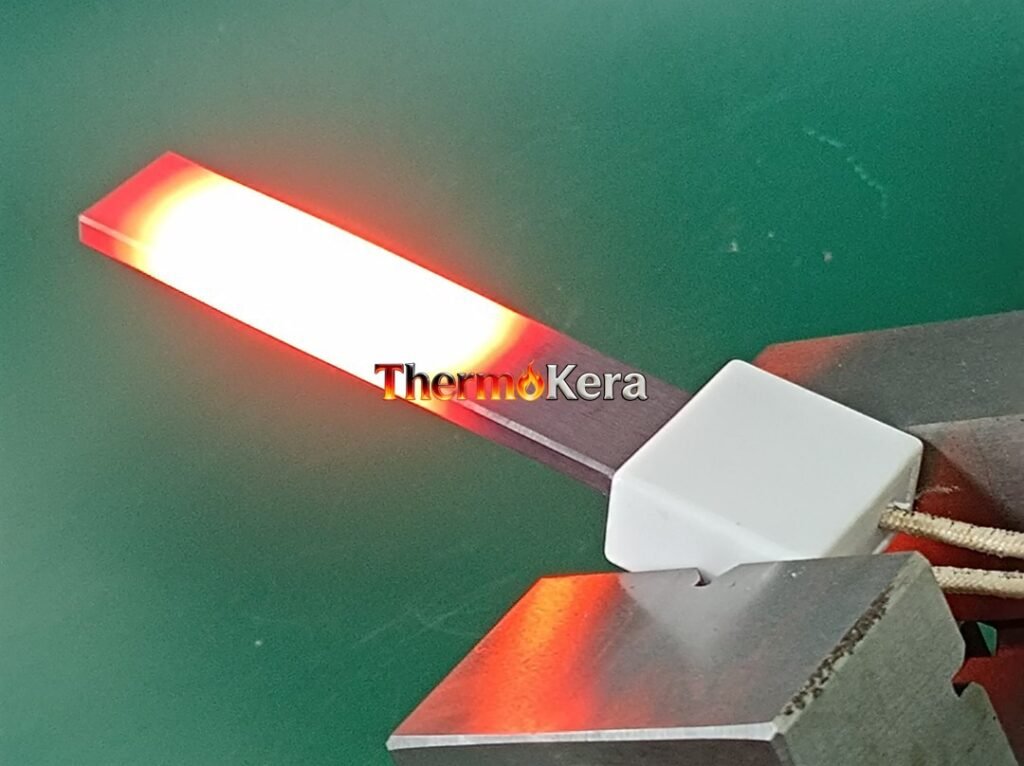
When sourcing high-temperature ceramic heating elements, consider:
1. Operating Temperature Range
Confirm maximum continuous temperature capability.
2. Heating Speed Requirement
Fast ignition systems require low thermal inertia silicon nitride elements.
3. Power & Voltage Matching
Ensure correct resistance design to avoid overheating or premature failure.
4. Environmental Conditions
Assess exposure to moisture, ash, vibration, and corrosive gases.
5. Manufacturer Testing Standards
Request lifecycle test data and ignition cycle validation.
Cost vs. Performance: What Buyers Should Know
While low-cost ceramic heaters exist, total cost of ownership depends on:
- Failure rate
- Replacement frequency
- Energy consumption
- System downtime
High-quality ceramic elements reduce warranty claims and service interventions, improving long-term profitability.
Thermokera’s vertically integrated production enables competitive pricing without sacrificing durability.
Frequently Asked Questions (FAQ)
What temperature can ceramic heating elements withstand?
Depending on material type, ceramic heating elements can operate between 1000°C and 1600°C.
Why is silicon nitride preferred for pellet stove igniters?
Silicon nitride offers rapid heat-up, excellent thermal shock resistance, and long ignition cycle life.
How long do ceramic heating elements last?
High-quality silicon nitride igniters can exceed 100,000 ignition cycles under proper operating conditions.
Are ceramic heating elements more energy-efficient than metal heaters?
Yes. They provide faster heating and improved thermal conversion efficiency, reducing energy consumption.
Can ceramic heating elements be customized?
Yes. Voltage, wattage, length, resistance, and connector types can be tailored for OEM applications.
How do I select a reliable supplier?
Choose manufacturers with in-house production, documented durability testing, and compliance certifications.
Final Thoughts: 2026 Outlook for Ceramic Heating Technology
As industries prioritize energy efficiency, environmental compliance, and system reliability, high-temperature ceramic heating elements will continue replacing traditional metal alternatives.
For OEMs and industrial manufacturers seeking high-performance silicon nitride igniters and ceramic heating rods, partnering with an experienced manufacturer like Thermokera ensures:
- Consistent product quality
- Engineering support
- Customizable solutions
- Competitive global supply capability
In 2026 and beyond, ceramic heating technology is not just an upgrade—it is becoming the new industry standard for thermal performance and durability.

About Author Thermokera Ceramics
Thermokera Electric Heating Ceramics Manufacturing Plant Sales Engineer, with 10 years of specialized experience in ceramic heating rods, alumina, and silicon nitride ceramic ignition products. Proficient in both Chinese and English, with expertise in international trade processes. Providing OEM solutions and professional consulting services for electric heating ceramic products.
March 10, 2026