


April 27, 2026
Learn how Silicon Nitride Igniter heating tests work, including temperature rise, durability, and efficiency. Discover why Thermokera igniters deliver superior performance for industrial applications.
Introduction: Why Silicon Nitride Igniter Heating Tests Matter
When selecting a silicon nitride igniter, one of the most critical evaluation criteria is its heating performance under real working conditions. The silicon nitride igniter heating test directly reflects ignition speed, temperature stability, and long-term durability—key factors for industrial heating systems, gas appliances, and combustion equipment.
For manufacturers, distributors, and OEM buyers, understanding how heating tests are conducted—and what results indicate high quality—can significantly reduce procurement risks and improve system reliability.
What Is a Silicon Nitride Igniter Heating Test?
A heating test evaluates how quickly and efficiently a silicon nitride igniter reaches its operating temperature when electrical power is applied. This test typically focuses on:
- Temperature rise time (heat-up speed)
- Maximum surface temperature
- Power consumption stability
- Thermal cycling durability
- Resistance to oxidation and corrosion
Unlike traditional metal or silicon carbide igniters, silicon nitride igniters use advanced ceramic materials, enabling faster heating, higher efficiency, and longer service life.
Key Performance Metrics in Heating Tests
1. Rapid Temperature Rise
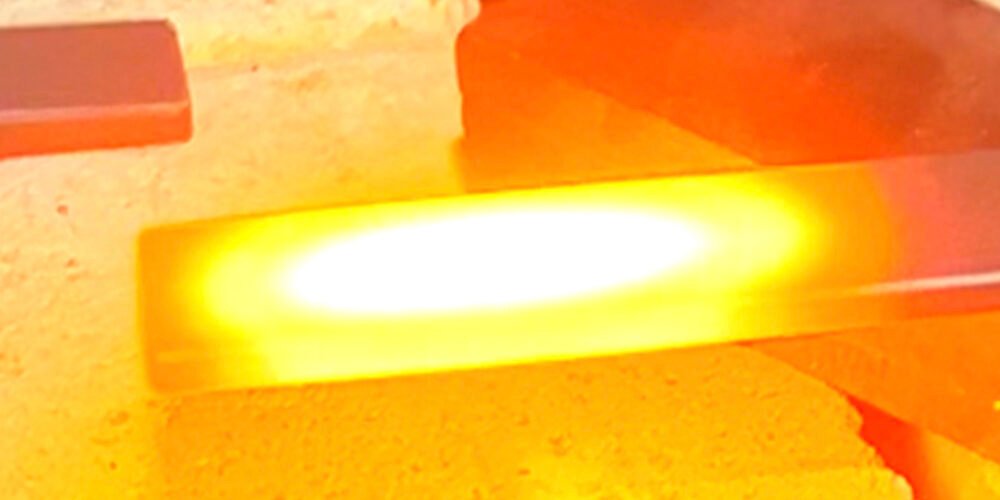
High-quality silicon nitride igniters can reach 800°C–1200°C within seconds. Faster heating means:
- Reduced ignition delay
- Improved energy efficiency
- Better system responsiveness
Thermokera silicon nitride igniters are engineered for ultra-fast thermal response, making them ideal for high-frequency ignition applications.
2. Stable High-Temperature Output
During continuous operation, the igniter must maintain a stable temperature without fluctuation. Heating tests verify:
- Consistent heat distribution
- No thermal runaway
- Long-term structural integrity
Thermokera products demonstrate excellent thermal stability, ensuring reliable ignition even under demanding industrial conditions.
3. Power Efficiency and Energy Consumption
Heating tests also measure the relationship between input voltage and temperature output. Efficient igniters:
- Consume less electricity
- Generate higher thermal output
- Reduce overall operating costs
Thermokera optimizes internal resistance design to achieve maximum heating efficiency with minimal energy loss.
4. Thermal Cycling Resistance
Industrial igniters often undergo thousands of on/off cycles. A proper heating test includes repeated cycling to evaluate:
- Crack resistance
- Material fatigue
- Performance degradation over time
Silicon nitride’s superior mechanical strength allows Thermokera igniters to withstand extreme thermal cycling without failure.
5. Oxidation and Corrosion Resistance
Heating tests in controlled environments simulate exposure to:
- Humidity
- Combustion gases
- Oxidizing atmospheres
Thermokera silicon nitride igniters feature advanced ceramic compositions that resist oxidation, ensuring long service life in harsh environments.
Typical Heating Test Procedure
A standard silicon nitride igniter heating test includes:
- Voltage Application: Apply rated voltage (e.g., 120V or 230V)
- Temperature Monitoring: Use infrared sensors or thermocouples
- Time Measurement: Record time to reach target temperature
- Continuous Operation Test: Maintain heating for extended periods
- Cycle Testing: Perform repeated on/off cycles
- Failure Analysis: Inspect for cracks, deformation, or performance loss
These procedures help ensure that the igniter meets OEM and industrial-grade standards.
Thermokera Silicon Nitride Igniter Advantages
Products by Category
When it comes to reliable heating performance, Thermokera stands out as a trusted manufacturer and supplier in the global market.
Products by Category
1. Advanced Ceramic Technology
Thermokera utilizes high-purity silicon nitride materials for superior thermal conductivity and mechanical strength.
2. Fast Ignition & Energy Efficiency
Optimized designs enable rapid heat-up with lower power consumption, reducing energy costs for end users.
3. Long Service Life
Compared to traditional igniters, Thermokera products offer significantly longer lifespan, minimizing replacement frequency.
4. OEM & Custom Solutions
Thermokera supports custom voltage, आकार, and heating profiles, making it ideal for OEM integration.
5. Strict Quality Control
Each igniter undergoes rigorous heating tests and quality inspections before shipment, ensuring consistent performance.
Applications of Silicon Nitride Igniters
Silicon nitride igniters are widely used in:
- Gas furnaces and boilers
- Pellet stoves and biomass burners
- Industrial heating systems
- Gas dryers and cooking equipment
- Automotive heating components
Their fast heating and durability make them the preferred choice for modern energy-efficient systems.
Conclusion: Choosing the Right Igniter Through Heating Test Insights
The silicon nitride igniter heating test is a crucial benchmark for evaluating ignition performance, efficiency, and durability. By focusing on metrics such as temperature rise, stability, and thermal cycling resistance, buyers can make informed decisions.
Thermokera combines advanced material science, precision engineering, and strict testing standards to deliver high-performance igniters that meet the needs of global OEMs and industrial users.
If you are sourcing reliable silicon nitride igniters, understanding heating test results is the first step toward ensuring long-term performance and cost efficiency.
FAQ: Silicon Nitride Igniter Heating Test
Q1: How fast does a silicon nitride igniter heat up?
Most high-quality igniters reach 800°C–1200°C within a few seconds.
Q2: What voltage is used in heating tests?
Common voltages include 120V and 230V, depending on application requirements.
Q3: How many cycles can a silicon nitride igniter handle?
Premium igniters like Thermokera products can withstand tens of thousands of heating cycles.
Q4: Why is silicon nitride better than silicon carbide?
Silicon nitride offers faster heating, higher strength, and longer lifespan.
Q5: Can heating tests predict product lifespan?
Yes, thermal cycling and durability tests provide strong indicators of long-term performance.

About Author Thermokera Ceramics
Thermokera Electric Heating Ceramics Manufacturing Plant Sales Engineer, with 10 years of specialized experience in ceramic heating rods, alumina, and silicon nitride ceramic ignition products. Proficient in both Chinese and English, with expertise in international trade processes. Providing OEM solutions and professional consulting services for electric heating ceramic products.
March 22, 2026
Related Posts

April 13, 2026
