


April 27, 2026
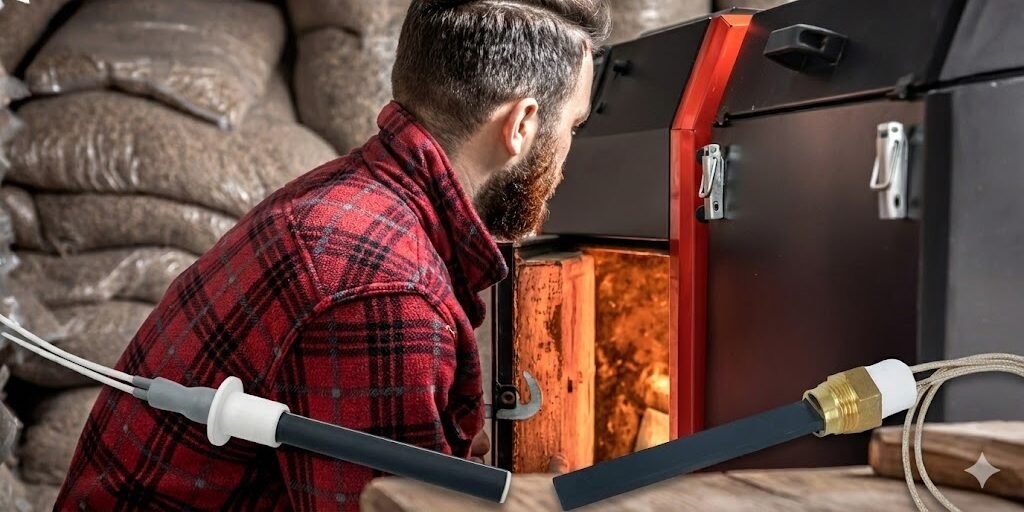
In industrial heating systems, pellet stoves, biomass boilers, and gas ignition applications, choosing the right ceramic igniter material directly affects performance, durability, energy efficiency, and long-term operating costs.
Among the most widely used options, silicon nitride (Si₃N₄) and alumina (Al₂O₃) igniters dominate the market. But which material performs better under high-temperature, high-cycle, and industrial conditions?
This technical comparison explores Silicon Nitride vs Alumina igniters, their material properties, real-world performance, and best-use scenarios—helping OEMs, distributors, and heating equipment manufacturers make informed sourcing decisions.
1. What Is a Silicon Nitride Igniter?
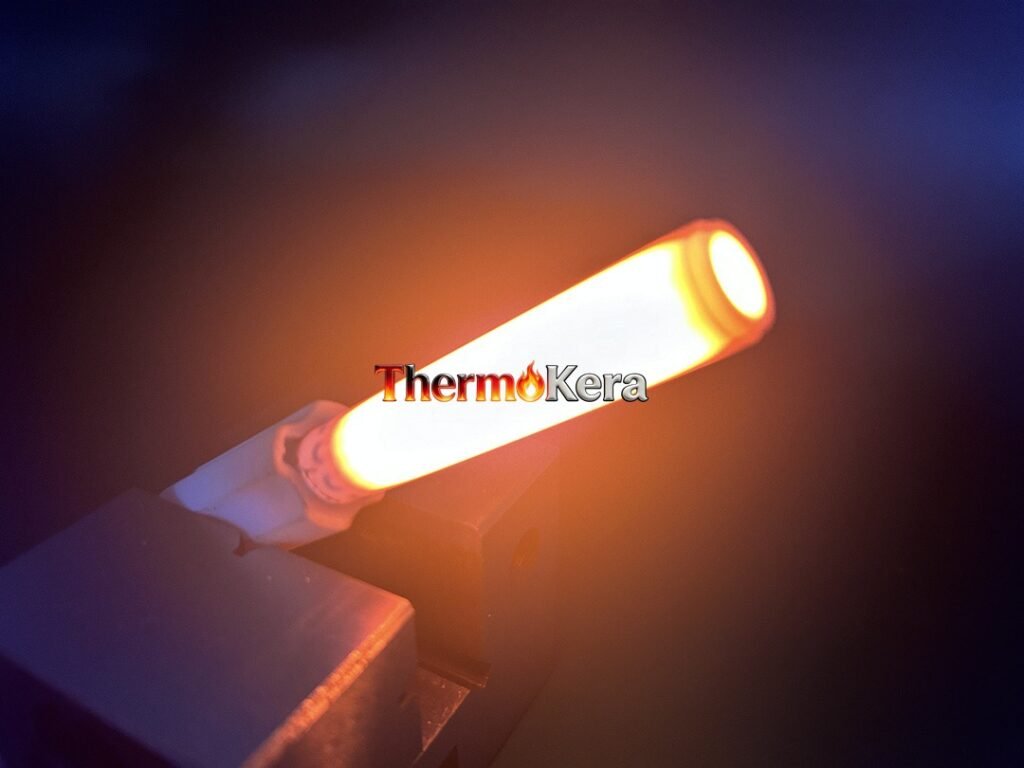
Silicon nitride igniters are advanced ceramic heating elements manufactured from high-density Si₃N₄ ceramic. They are widely used in:
- Pellet stoves
- Biomass burners
- Industrial gas burners
- Oil heating systems
- High-efficiency boilers
Key Characteristics of Silicon Nitride Igniters
- Ultra-fast heat-up time (reach 800–1000°C within seconds)
- High mechanical strength
- Excellent thermal shock resistance
- Long service life (up to 100,000+ cycles in endurance testing on covered configurations; actual service life depends on operating conditions)
- Superior oxidation resistance
- High energy efficiency
Because of their high fracture toughness and structural strength, silicon nitride igniters are ideal for frequent on/off cycling applications.
Products by Category
2. What Is an Alumina Igniter?
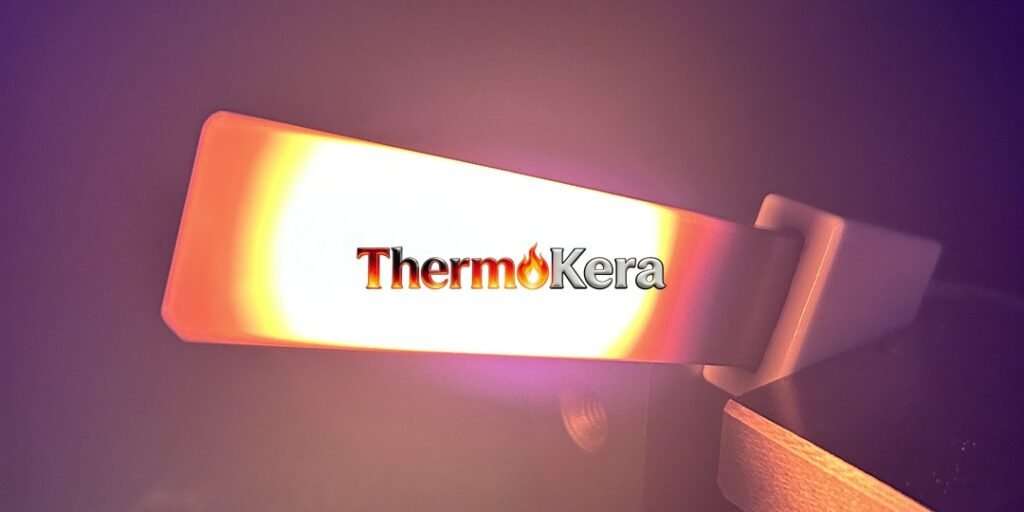
Alumina igniters are made from aluminum oxide (Al₂O₃), one of the most commonly used structural ceramics in industrial heating.
Key Characteristics of Alumina Igniters
- Lower manufacturing cost
- Moderate heat resistance
- Good electrical insulation
- Stable under steady operating conditions
- Lower mechanical strength compared to silicon nitride
Alumina igniters are typically selected for cost-sensitive applications with lower thermal shock demands.
Products by Category
3. Silicon Nitride vs Alumina Igniters: Technical Comparison
| Property | Silicon Nitride (Si₃N₄) | Alumina (Al₂O₃) |
|---|---|---|
| Max Operating Temperature | 1000°C+ | 800–900°C |
| Heat-Up Speed | Very fast | Moderate |
| Thermal Shock Resistance | Excellent | Moderate |
| Mechanical Strength | High | Lower |
| Fracture Toughness | Superior | Brittle |
| Lifespan | Up to 100,000+ cycles in endurance testing on covered configurations; actual service life depends on operating conditions | 20,000–40,000 cycles |
| Energy Efficiency | Higher | Moderate |
| Cost | Higher upfront | Lower upfront |
Performance Insight
While alumina igniters may offer lower initial procurement cost, silicon nitride igniters typically deliver:
- Longer service intervals
- Lower maintenance frequency
- Reduced downtime
- Lower total cost of ownership (TCO)
For OEM manufacturers targeting premium heating systems, silicon nitride is increasingly the preferred solution.
4. Best Use Scenarios: Which Material Should You Choose?
Choose Silicon Nitride Igniters If:
- Your equipment cycles frequently
- You require rapid ignition
- You operate in high-humidity or fluctuating environments
- Long service life is a priority
- You want to reduce warranty claims
Common applications:
- Premium pellet stoves
- Biomass boilers
- Industrial burners
- Smart heating systems
Choose Alumina Igniters If:
- Budget is the primary factor
- Ignition frequency is low
- Operating temperature is moderate
- Replacement accessibility is easy
Common applications:
- Basic gas burners
- Low-duty heating equipment
- Entry-level heating systems
5. Why Leading OEMs Prefer Thermokera Silicon Nitride Igniters
As a specialized manufacturer of advanced ceramic ignition components, Thermokera focuses on high-performance silicon nitride igniters designed for industrial and heating OEM applications worldwide.
Thermokera Competitive Advantages
1. In-House Manufacturing Facility
Full control over raw materials, sintering process, and quality assurance.
2. 100,000+ Ignition Cycle Durability Testing
Every product series undergoes strict lifecycle validation.
3. Custom OEM/ODM Solutions
- Customized voltage (120V / 230V / 12V / 24V)
- Custom dimensions and power ratings
- Private labeling support
- Connector customization
4. Strict Quality Standards
- High-density Si₃N₄ formulation
- Consistent resistance stability
- Tight dimensional tolerances
5. Global Supply Capability
Reliable lead times and export experience supporting European and North American heating equipment brands.
For manufacturers upgrading from alumina to silicon nitride igniters, Thermokera provides engineering consultation and compatibility support to ensure seamless integration.
6. Cost Consideration: Short-Term Price vs Long-Term Value
Although silicon nitride igniters have a higher upfront unit price compared to alumina igniters, the long-term economic benefits often outweigh the difference:
- Fewer replacements
- Reduced warranty returns
- Improved brand reputation
- Better energy efficiency ratings
For heating appliance manufacturers competing in premium markets, material upgrade becomes a strategic advantage rather than a cost burden.
7. Industry Trend: Shift Toward High-Performance Ceramic Ignition
Driven by:
- Energy efficiency regulations
- Demand for smart heating systems
- Carbon reduction goals
- Longer product warranty expectations
The global market is gradually shifting from alumina igniters to silicon nitride igniters in mid-to-high-end applications.
OEM buyers increasingly evaluate igniters not just by price—but by:
- Lifecycle cost
- Reliability metrics
- Failure rate data
- Thermal efficiency impact
Frequently Asked Questions (FAQ)
1. Which igniter lasts longer: silicon nitride or alumina?
Silicon nitride igniters typically last 2–3 times longer than alumina igniters due to superior thermal shock resistance and higher fracture toughness.
2. Are silicon nitride igniters more energy efficient?
Yes. They heat up faster and reach ignition temperature quickly, reducing power consumption during startup.
3. Can I replace an alumina igniter with a silicon nitride igniter?
In most cases, yes—but voltage, power rating, and installation dimensions must match. Thermokera provides OEM engineering support for direct replacement compatibility.
4. Why are silicon nitride igniters more expensive?
They require advanced powder processing, high-temperature sintering, and tighter quality control, which increases manufacturing cost—but significantly improves lifespan and reliability.
5. Which igniter is better for pellet stoves?
Silicon nitride igniters are generally preferred for pellet stoves due to rapid ignition speed and resistance to repeated heating cycles.
6. Do silicon nitride igniters crack easily?
No. Compared to alumina, silicon nitride has much higher fracture toughness and mechanical strength, making it far more resistant to cracking.
Conclusion: Silicon Nitride vs Alumina Igniters — Making the Right Choice
When comparing Silicon Nitride vs Alumina igniters, the decision ultimately depends on performance requirements, operating conditions, and long-term cost strategy.
For high-cycle, high-temperature, and premium heating applications, silicon nitride igniters provide:
- Faster ignition
- Longer service life
- Greater durability
- Lower lifetime cost
With advanced manufacturing capability and OEM customization support, Thermokera silicon nitride igniters offer a reliable upgrade path for modern heating systems seeking higher efficiency and reduced maintenance risk.
For technical consultation or OEM partnership inquiries, professional engineering support ensures the right material choice for your ignition system.

About Author Thermokera Ceramics
Thermokera Electric Heating Ceramics Manufacturing Plant Sales Engineer, with 10 years of specialized experience in ceramic heating rods, alumina, and silicon nitride ceramic ignition products. Proficient in both Chinese and English, with expertise in international trade processes. Providing OEM solutions and professional consulting services for electric heating ceramic products.
March 5, 2026
Related Posts

April 13, 2026
