



April 27, 2026
When your heating system begins to struggle with ignition failure, delayed startup, or intermittent operation, silicon nitride igniter replacement is often the most effective and long-lasting solution. Modern furnaces increasingly rely on silicon nitride hot surface igniters (HSIs) because they offer superior durability, faster heating, and extended service life compared to traditional silicon carbide models.

In this guide, we explain why silicon nitride igniters are the preferred upgrade, when replacement is necessary, and why Thermokera igniters deliver industry-leading performance for HVAC professionals and OEM manufacturers.
What Is a Silicon Nitride Igniter?
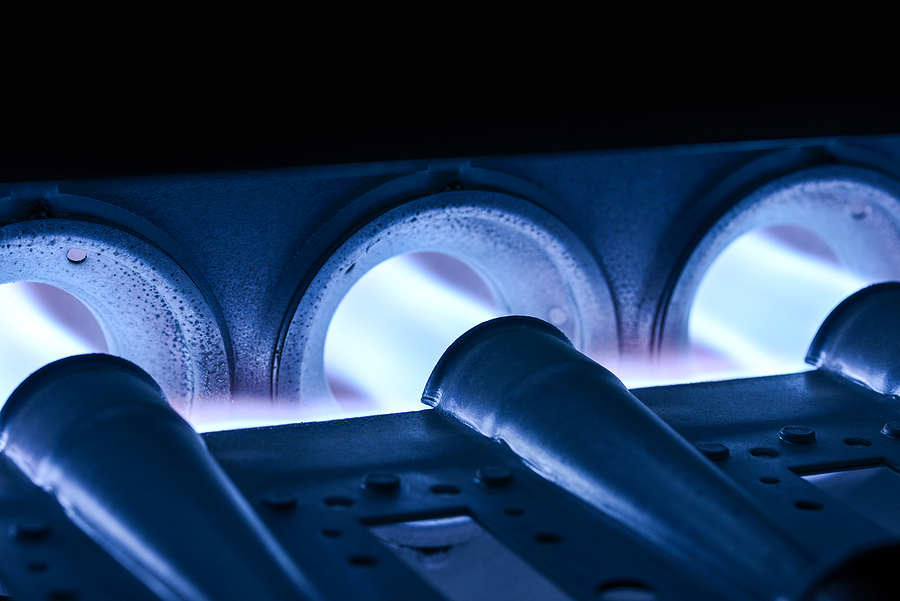
A silicon nitride igniter is a high-performance ceramic heating element used in gas furnaces, boilers, and water heaters. When electricity passes through the igniter, it rapidly heats to high temperatures, igniting the gas-air mixture safely and efficiently.
Why Silicon Nitride Over Silicon Carbide?
- Higher mechanical strength – More resistant to cracking and thermal shock
- Longer lifespan – Often 2–4 times longer than silicon carbide
- Faster heat-up time – Improved ignition efficiency
- Better resistance to contamination – Performs reliably in harsh environments
- Energy efficiency – Lower power consumption
For HVAC service companies, replacing outdated silicon carbide igniters with silicon nitride models reduces callbacks and warranty claims.
Signs You Need Silicon Nitride Igniter Replacement
If your furnace is showing the following symptoms, replacement may be necessary:
- Furnace fails to ignite
- Intermittent ignition failure
- Cracked or visibly damaged igniter
- Furnace starts but shuts down quickly
- System error codes indicating ignition failure
Most igniters last between 3–7 years depending on usage and environmental conditions. Preventive replacement during routine maintenance can help avoid emergency breakdowns.
How to Replace a Silicon Nitride Igniter
Important: Always turn off power and gas supply before servicing.
- Disconnect electrical power
- Shut off gas valve
- Remove furnace access panel
- Disconnect igniter wiring harness
- Carefully remove mounting screws
- Install new silicon nitride igniter
- Reconnect wiring and restore power
Because igniters are fragile ceramic components, avoid touching the heating surface directly. Oils from skin can shorten lifespan.
For HVAC distributors and service providers, sourcing high-quality OEM-compatible igniters is critical to ensuring long-term system reliability.
Why Choose Thermokera for Silicon Nitride Igniter Replacement?
When selecting a replacement igniter, quality consistency and thermal performance matter. Thermokera specializes in advanced ceramic heating solutions engineered for demanding HVAC and combustion systems.


Thermokera Product Advantages
1. Advanced Silicon Nitride Material Technology
Thermokera igniters use high-density silicon nitride ceramics with exceptional thermal shock resistance and mechanical strength.
2. Long Service Life
Designed for extended operational cycles, Thermokera igniters significantly reduce replacement frequency and maintenance costs.
3. Rapid Ignition Performance
Fast heat-up time ensures reliable startup even under low-voltage conditions.
4. OEM & Aftermarket Compatibility
Available in multiple voltage ratings and mounting configurations to fit major furnace brands.
5. Strict Quality Control
Every unit undergoes performance testing to ensure consistent resistance, heating profile, and durability.
For wholesalers, HVAC parts distributors, and furnace manufacturers, Thermokera provides scalable supply capacity and stable production quality.
Silicon Nitride Igniter Replacement for Commercial and Industrial Applications
Beyond residential furnaces, silicon nitride igniters are widely used in:
- Gas boilers
- Industrial burners
- Pellet stoves
- Commercial ovens
- Water heaters
In high-duty-cycle environments, material quality directly impacts safety and operational continuity. Upgrading to premium silicon nitride igniters reduces downtime and improves combustion stability.
Cost vs. Value: Is Silicon Nitride Worth It?
While silicon nitride igniters may have a slightly higher upfront cost than silicon carbide alternatives, the total cost of ownership is significantly lower due to:
- Reduced service calls
- Longer operational lifespan
- Improved ignition reliability
- Lower risk of emergency failure
For professional HVAC businesses, reliability equals reputation.
Frequently Asked Questions About Silicon Nitride Igniter Replacement
How long does a silicon nitride igniter last?
Typically 3–7 years in residential systems, longer in optimized installations.
Can I replace a silicon carbide igniter with silicon nitride?
Yes. Many systems support upgrades, but always confirm voltage and mounting compatibility.
Are Thermokera igniters OEM compatible?
Thermokera offers multiple models designed to match common furnace configurations for both OEM and aftermarket needs.
What causes igniter failure?
Common causes include voltage fluctuation, contamination, thermal cycling stress, and improper handling.
Conclusion: Upgrade to Reliable Performance
If your furnace is experiencing ignition issues, investing in a high-quality silicon nitride igniter replacement ensures dependable performance, improved safety, and long-term cost savings.
Thermokera combines advanced ceramic engineering, strict quality control, and OEM compatibility to deliver durable, high-performance igniters trusted by HVAC professionals worldwide.
For distributors and manufacturers seeking reliable silicon nitride igniter solutions, Thermokera provides scalable supply and consistent product excellence.
Reliable ignition starts with the right material — and the right partner.

About Author Thermokera Ceramics
Thermokera Electric Heating Ceramics Manufacturing Plant Sales Engineer, with 10 years of specialized experience in ceramic heating rods, alumina, and silicon nitride ceramic ignition products. Proficient in both Chinese and English, with expertise in international trade processes. Providing OEM solutions and professional consulting services for electric heating ceramic products.
March 4, 2026
Related Posts

April 13, 2026
