


April 29, 2026
When selecting an ignition solution for industrial heating systems, furnaces, boilers, or gas appliances, understanding the difference between hot surface igniters (HSI) and silicon nitride igniters is critical. This guide provides a comprehensive comparison of materials, manufacturing processes, performance, cost, and application scenarios, helping OEMs, distributors, and engineers make informed decisions.
If you’re evaluating suppliers or considering an upgrade, this article also highlights how Thermokera delivers high-performance, cost-effective ignition solutions tailored for global markets.
What Is a Hot Surface Igniter (HSI)?
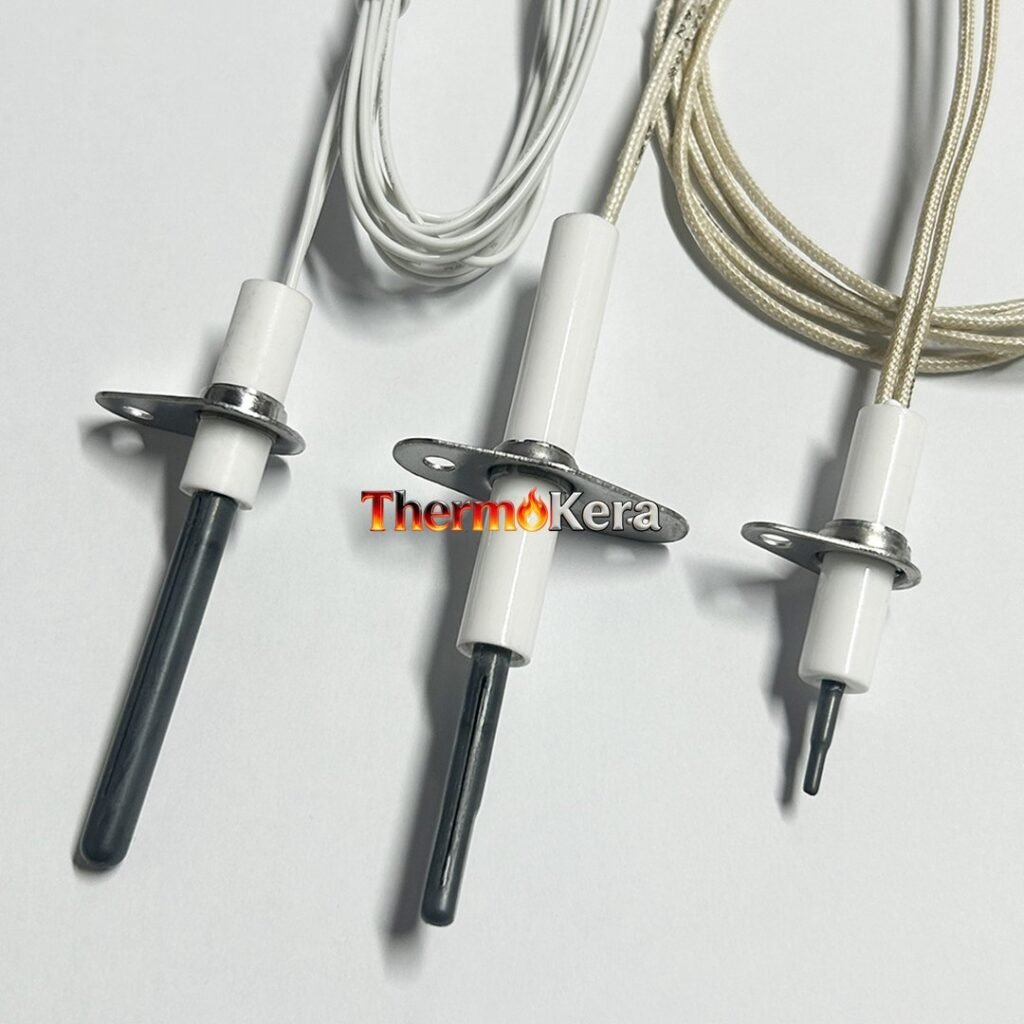
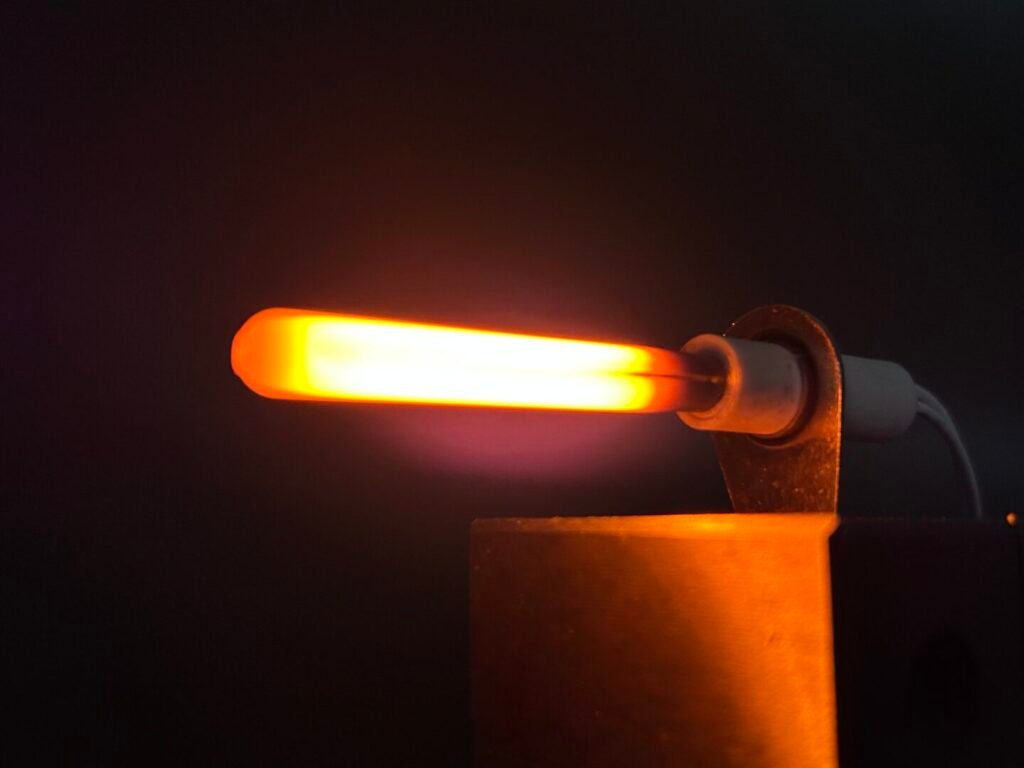
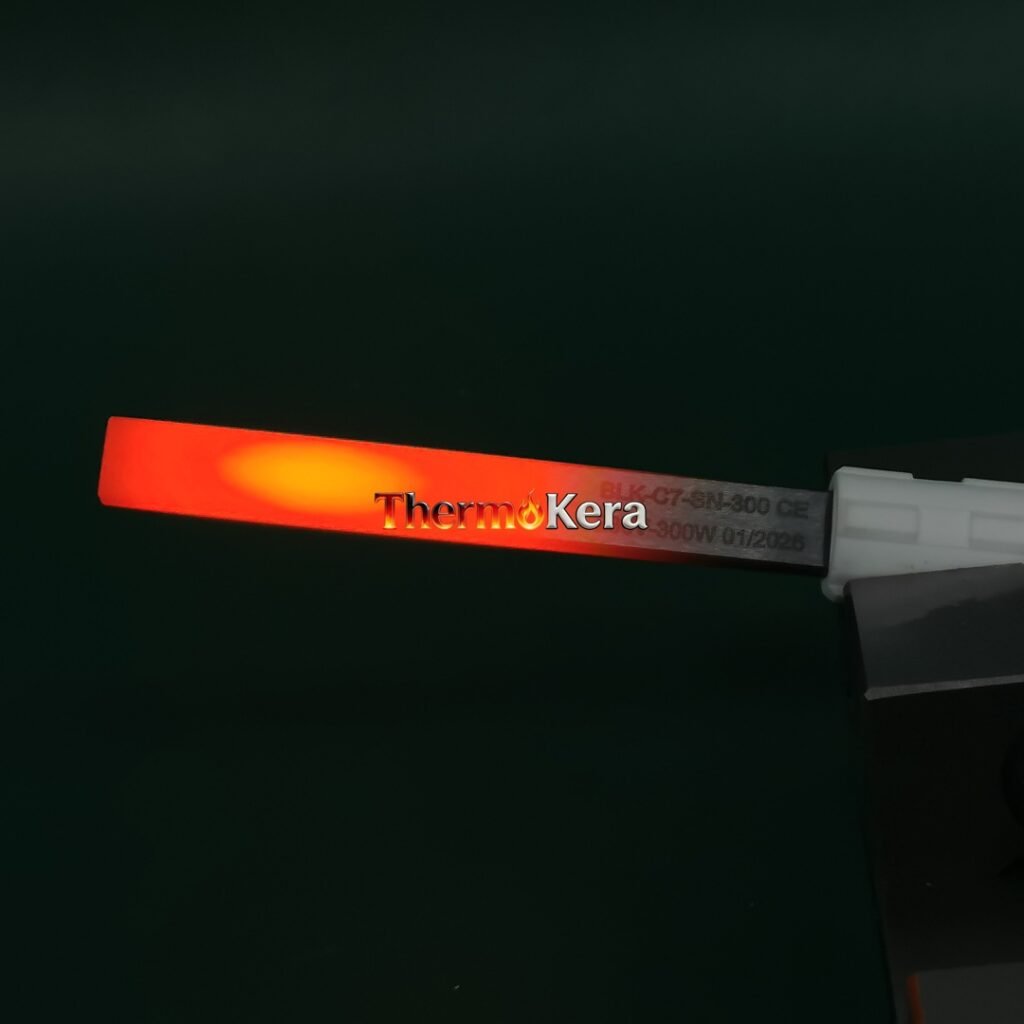
A hot surface igniter is an electrical heating element used to ignite gas by reaching extremely high temperatures (typically 1000°C–1400°C). It replaces traditional pilot flames and is widely used in residential and industrial gas systems.
Common Materials:
- Silicon Carbide (SiC) – traditional HSI material
- Silicon Nitride (Si3N4) – advanced, high-performance material
What Is a Silicon Nitride Igniter?

A silicon nitride igniter is a next-generation HSI made from Si3N4 ceramic, offering superior mechanical strength, thermal shock resistance, and longer service life compared to conventional silicon carbide igniters.

Hot Surface Igniter vs Silicon Nitride Igniter: Detailed Comparison
1. Material Composition
| Feature | Silicon Carbide Igniter | Silicon Nitride Igniter |
|---|---|---|
| Base Material | Silicon Carbide (SiC) | Silicon Nitride (Si3N4) |
| Structure | Porous, brittle | Dense, high-strength ceramic |
| Durability | Moderate | Excellent |
Key Insight: Silicon nitride offers significantly improved structural integrity and resistance to cracking.
2. Manufacturing Process
- Silicon Carbide Igniters
- Simpler sintering process
- Lower manufacturing precision
- Higher defect rate
- Silicon Nitride Igniters
- Advanced ceramic injection molding or hot-press sintering
- High precision and consistency
- Strict quality control requirements
Thermokera Advantage:
Thermokera leverages automated high-temperature sintering technology and precision molding to ensure consistent product quality and low failure rates.
3. Performance Comparison
| Performance Metric | Silicon Carbide | Silicon Nitride |
|---|---|---|
| Heat-Up Time | 30–60 seconds | 3–10 seconds |
| Operating Temperature | ~1200°C | ~1400°C |
| Thermal Shock Resistance | Low | Excellent |
| Lifespan | 20,000–40,000 cycles | 100,000+ cycles in ThermoKera endurance testing on covered configurations; actual service life depends on operating conditions |
| Energy Efficiency | Moderate | High |
Key Insight: Silicon nitride igniters heat faster, last longer, and consume less energy, making them ideal for modern high-efficiency systems.
4. Cost Comparison
| Cost Factor | Silicon Carbide | Silicon Nitride |
|---|---|---|
| Unit Price | Lower | Higher |
| Maintenance Cost | High | Low |
| Replacement Frequency | Frequent | Rare |
| Total Cost of Ownership (TCO) | Higher | Lower |
Although silicon nitride igniters have a higher upfront cost, their longer lifespan and reduced maintenance significantly lower the total cost of ownership.
5. Application Scenarios
Silicon Carbide Igniters
- Traditional residential furnaces
- Older gas appliances
- Budget-sensitive projects
Silicon Nitride Igniters
- High-efficiency condensing boilers
- Industrial burners and kilns
- Commercial HVAC systems
- Smart gas appliances
- Harsh environments requiring durability
Why Choose Silicon Nitride Igniters for Modern Systems?
With increasing global demand for energy efficiency, durability, and low maintenance, silicon nitride igniters are rapidly replacing traditional silicon carbide HSIs.
Key Benefits:
- Faster ignition improves system responsiveness
- Longer lifespan reduces downtime
- Better resistance to voltage fluctuations
- Suitable for harsh industrial environments
Thermokera Silicon Nitride Igniter Advantages
Products by Category
Products by Category
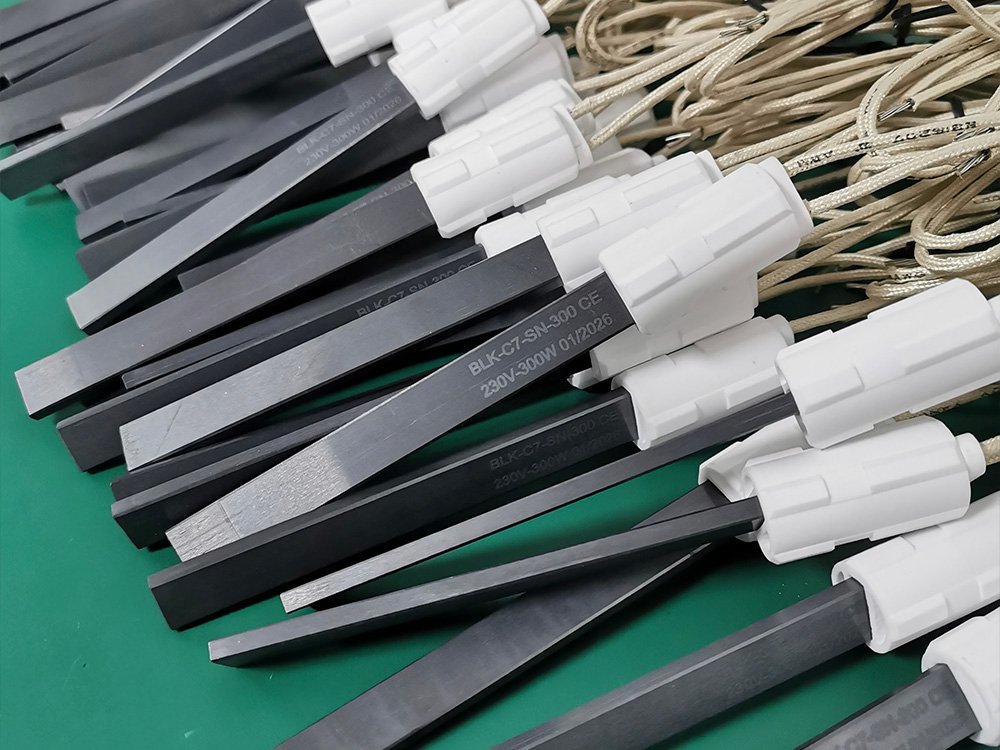
As a professional ignition solution provider, Thermokera offers advanced silicon nitride igniters designed for global OEM and B2B clients.
1. Advanced Ceramic Technology
- High-density Si3N4 material for superior strength
- Excellent thermal shock resistance
2. Fast Ignition & Energy Efficiency
- Ignition within seconds
- Reduced power consumption
3. Long Service Life
- 100,000+ ignition cycles
- Lower maintenance and replacement costs
4. OEM & Customization Capability
- Custom shapes, voltages, and connectors
- Compatible with global furnace and boiler brands
5. Cost Advantage from China Manufacturing
- Scalable production capacity
- Competitive pricing for bulk orders
- Stable supply chain for international markets


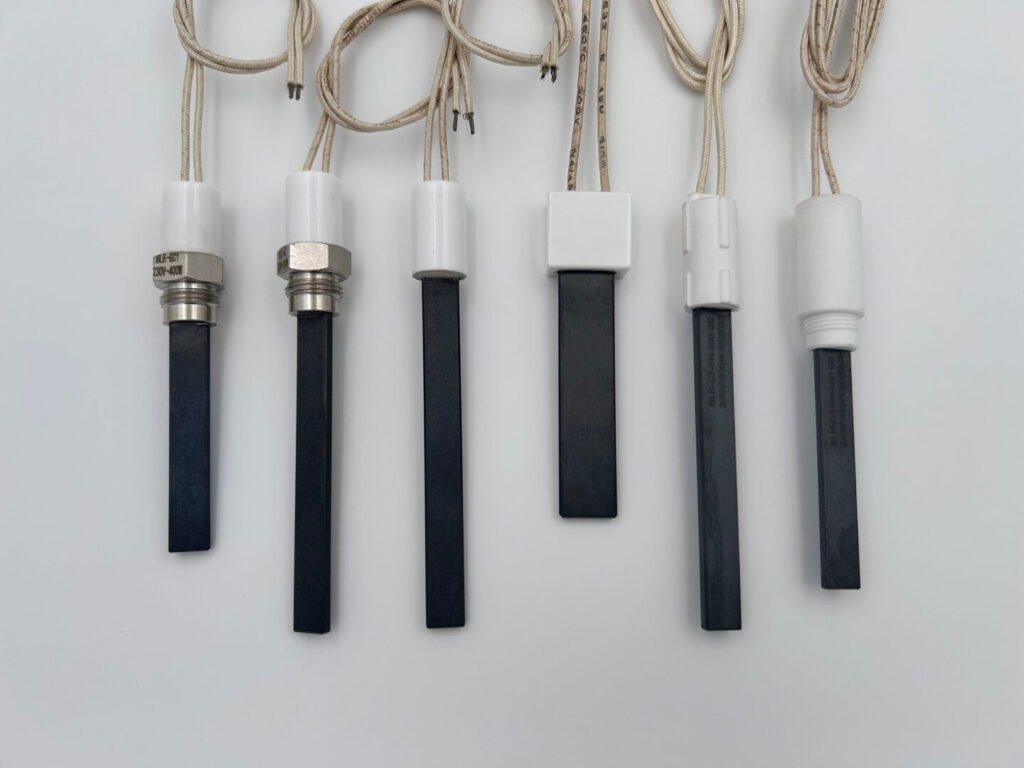
How to Choose the Right Igniter for Your Application
When selecting between hot surface igniters and silicon nitride igniters, consider:
- Application environment (temperature, humidity, vibration)
- Required lifespan and maintenance cycle
- Energy efficiency targets
- Budget vs long-term ROI
- OEM compatibility requirements
For most modern applications, silicon nitride igniters provide better long-term value and performance.
Conclusion: Silicon Nitride Igniters Are the Future
The comparison between hot surface igniters vs silicon nitride igniters clearly shows that while traditional silicon carbide igniters remain relevant for low-cost applications, silicon nitride igniters outperform in nearly every critical metric.
For manufacturers, distributors, and system integrators aiming to improve product reliability and reduce lifecycle costs, upgrading to silicon nitride is a strategic decision.
With Thermokera’s advanced manufacturing capabilities, OEM customization, and competitive pricing, businesses can confidently adopt next-generation ignition technology and stay ahead in the global market.
FAQ: Hot Surface Igniter vs Silicon Nitride Igniter
1. Are silicon nitride igniters worth the higher price?
Yes. Their longer lifespan and lower maintenance result in a lower total cost over time.
2. Can silicon nitride igniters replace silicon carbide igniters directly?
In most cases, yes—especially with OEM-compatible designs like those offered by Thermokera.
3. Which igniter is better for industrial applications?
Silicon nitride igniters are better due to their durability, fast response, and resistance to harsh conditions.
4. How long does a silicon nitride igniter last?
ThermoKera endurance testing on covered configurations has exceeded 100,000 cycles. Actual service life depends on voltage control, duty cycle, operating temperature and installation conditions.
If you are sourcing high-quality ignition solutions or looking for a reliable OEM partner, Thermokera silicon nitride igniters provide the ideal balance of performance, durability, and cost efficiency.

About Author Thermokera Ceramics
Thermokera Electric Heating Ceramics Manufacturing Plant Sales Engineer, with 10 years of specialized experience in ceramic heating rods, alumina, and silicon nitride ceramic ignition products. Proficient in both Chinese and English, with expertise in international trade processes. Providing OEM solutions and professional consulting services for electric heating ceramic products.
March 23, 2026

