

March 10, 2026
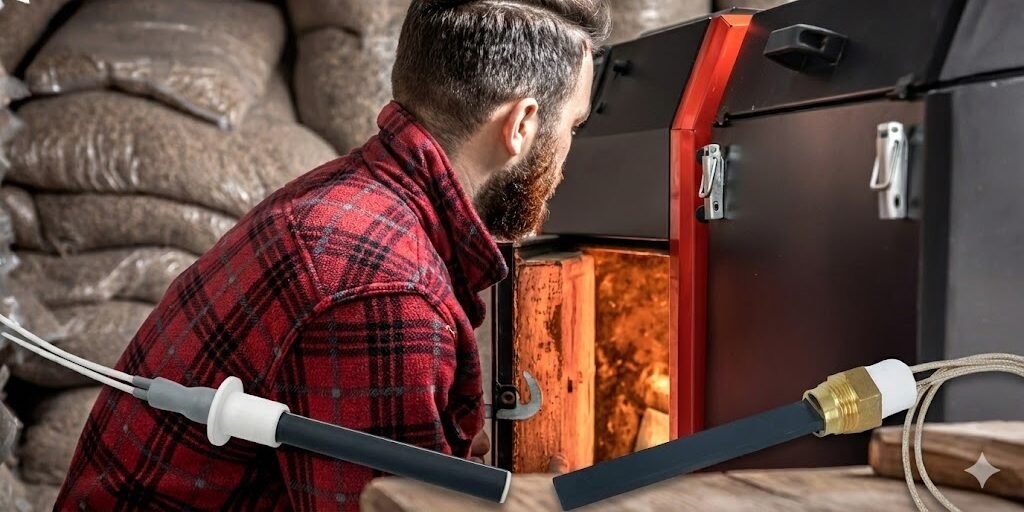
A reliable pellet stove igniter is the heartbeat of your wood pellet heating system. It’s the component that kickstarts combustion, turning compressed wood pellets into consistent, cozy heat for your home. But when it comes to choosing the right igniter, the decision often boils down to two primary options: ceramic pellet stove igniters and metal pellet stove igniters. Each has distinct advantages, limitations, and ideal use cases—so selecting the best one depends on your heating needs, budget, and long-term maintenance preferences.

In this ultimate guide, we’ll break down the key differences between ceramic and metal pellet stove igniters, explore their performance metrics, durability, installation requirements, and cost. By the end, you’ll have the expert insights needed to make an informed choice that keeps your pellet stove running efficiently for years to come.
First: What Does a Pellet Stove Igniter Do?
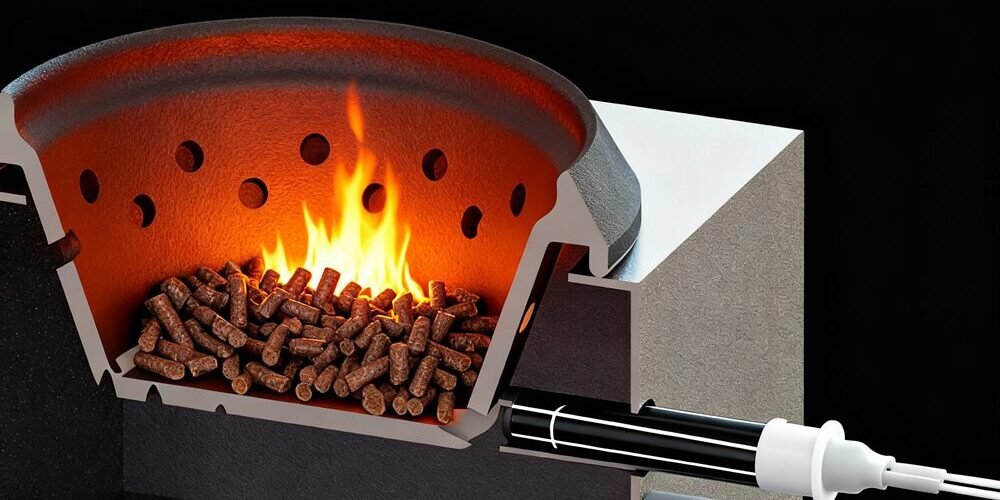
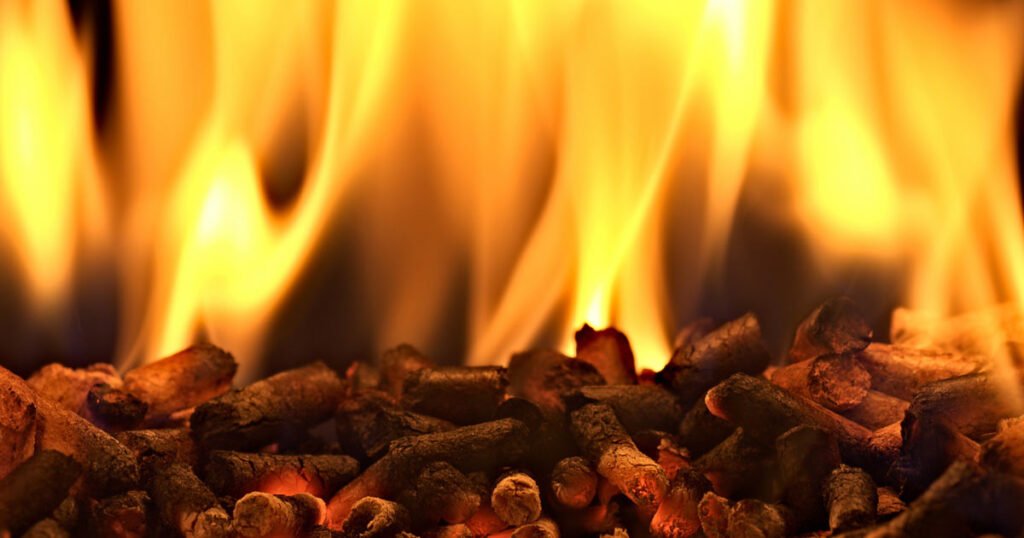
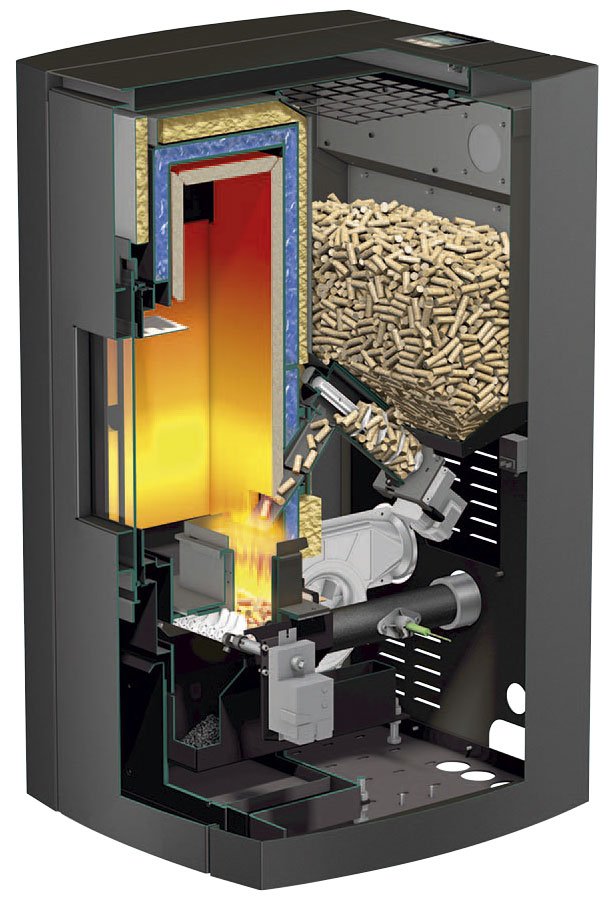
Before diving into the ceramic vs. metal debate, let’s clarify the core function of a pellet stove igniter. Unlike traditional wood stoves that require manual lighting with matches or kindling, pellet stoves rely on an electric igniter to generate the high heat needed to ignite wood pellets. The igniter heats up rapidly, triggering the initial combustion process, and often stays active briefly to stabilize the flame before shutting off (once the fire is self-sustaining).
A high-quality igniter ensures quick startup, consistent performance, and minimal energy waste. A faulty or ill-suited igniter, on the other hand, can lead to slow heat-up times, frequent breakdowns, and increased energy bills—making this a critical component to get right.
Ceramic Pellet Stove Igniters: Key Features & Benefits
Ceramic pellet stove igniters are the most popular choice for modern pellet stoves, and for good reason. Constructed from advanced ceramic materials—typically silicon nitride (Si₃N₄) or alumina (Al₂O₃)—these igniters are engineered to withstand extreme temperatures and heavy use. Let’s break down their standout features:
1. Fast Heat-Up Time
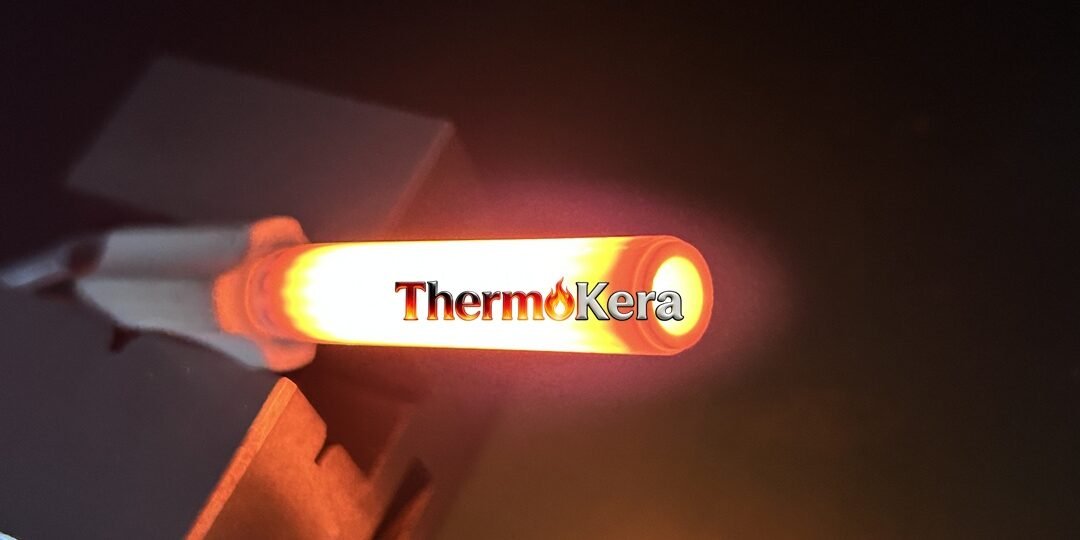
One of the biggest advantages of ceramic igniters is their rapid heat-up capability. Most ceramic models reach ignition temperatures (800–1,200°C) in just 30–60 seconds. This means your pellet stove can start producing heat almost immediately, eliminating the long wait times associated with slower igniters. For homeowners who want instant warmth on cold days, this is a game-changer.
2. Exceptional Durability & Long Lifespan
Ceramic materials are naturally resistant to thermal shock, oxidation, and corrosion—issues that plague metal igniters. Silicon nitride ceramic igniters, in particular, can withstand repeated heating and cooling cycles without cracking or degrading. On average, a high-quality ceramic pellet stove igniter lasts 3–5 years (or 10,000–15,000 ignition cycles), significantly longer than most metal alternatives. This longevity reduces the frequency of replacements and long-term maintenance costs.
3. Energy Efficiency
Ceramic igniters are highly energy-efficient. Their rapid heat-up means they use less electricity to reach ignition temperature, and their ability to stabilize flames quickly allows them to shut off sooner—reducing standby energy consumption. For homeowners looking to keep their heating bills low, this efficiency is a major plus.
4. Compatibility with Modern Pellet Stoves
Most modern pellet stoves are designed to work with ceramic igniters. Manufacturers prioritize ceramic because of its reliability and performance, so finding a replacement ceramic igniter for newer models is typically straightforward. Additionally, ceramic igniters are available in a range of voltages (120V, 230V) and sizes, making them versatile for different stove designs.
Metal Pellet Stove Igniters: Key Features & Benefits
Metal pellet stove igniters—usually made from nickel-chromium (nichrome) wire or stainless steel—have been around longer than ceramic models and are still used in some older pellet stoves or budget-friendly options. While they lack some of the advanced features of ceramic igniters, they have their own set of advantages:
1. Lower Upfront Cost
The primary appeal of metal igniters is their affordability. Metal igniters typically cost 30–50% less than ceramic models upfront. For homeowners on a tight budget or those with older stoves that may not be worth investing heavily in, a metal igniter can be a cost-effective short-term solution.
2. Simple Construction & Easy Replacement
Metal igniters have a straightforward design—often just a coiled wire heating element. This simplicity makes them easy to replace, even for homeowners with minimal DIY experience. Replacement parts are widely available for older stove models, and the installation process is usually quick and tool-light.
3. Tolerance for Minor Contamination
Metal igniters are somewhat more tolerant of minor dust, debris, or pellet ash buildup than ceramic models. While regular cleaning is still essential for optimal performance, a small amount of contamination is less likely to cause immediate failure in a metal igniter.
Ceramic vs. Metal Pellet Stove Igniters: Head-to-Head Comparison
To help you visualize the differences, here’s a side-by-side comparison of the key metrics:
| Metric | Ceramic Pellet Stove Igniter | Metal Pellet Stove Igniter |
|---|---|---|
| Heat-Up Time | 30–60 seconds (fast) | 2–3 minutes (slow) |
| Lifespan | 3–5 years (10,000–15,000 cycles) | 1–2 years (3,000–5,000 cycles) |
| Upfront Cost | Higher ($40–$100) | Lower ($20–$50) |
| Long-Term Cost | Lower (fewer replacements) | Higher (frequent replacements) |
| Energy Efficiency | High (less electricity use) | Low (more electricity use) |
| Durability (Thermal Shock Resistance) | Excellent | Poor (prone to cracking/warping) |
| Compatibility | Most modern pellet stoves | Older pellet stoves, budget models |
| Maintenance Needs | Low (regular cleaning only) | Moderate (more frequent cleaning/replacement) |
How to Choose: Ceramic or Metal Pellet Stove Igniter?
The right choice depends on your specific situation. Here are the key factors to consider:
Choose Ceramic If:
- You own a modern pellet stove (most newer models are designed for ceramic).
- You prioritize fast heat-up times and instant warmth.
- You want long-term durability and fewer replacements (lower long-term cost).
- Energy efficiency is a top concern (to keep heating bills low).
- You use your pellet stove frequently (e.g., daily during winter) and need reliable performance.
Choose Metal If:
- You own an older pellet stove that’s only compatible with metal igniters.
- You’re on a tight budget and need alow-cost immediate replacement.
- You use your pellet stove infrequently (e.g., only on cold weekends) and don’t mind shorter lifespan.
- You prefer a simple, easy-to-replace component and don’t mind more frequent maintenance.
Key Tips for Buying a Pellet Stove Igniter (Ceramic or Metal)
No matter which type you choose, follow these tips to ensure you get the right igniter for your stove:
1. Check Compatibility First
Always check your pellet stove’s manual or manufacturer’s specifications to confirm the correct igniter type, voltage (120V vs. 230V), wattage, and size. Using an incompatible igniter can damage your stove or lead to poor performance. Look for igniters labeled as “replacement for [your stove brand/model]” for peace of mind.
2. Prioritize Quality Over Price (Even for Metal)
While metal igniters are cheaper, avoid the lowest-cost options—they’re often made with low-grade materials that fail even faster. Opt for reputable brands that specialize in heating components. For ceramic igniters, look for those made with silicon nitride (more durable than alumina) if you need maximum lifespan.
3. Consider Installation Difficulty
Most pellet stove igniters are designed for DIY installation, but some models require more tools or expertise than others. Check online tutorials for your stove model to see if the installation process is straightforward. If you’re unsure, hire a professional to avoid damaging your stove.
4. Factor in Warranty
Look for igniters with a warranty—ideally 1–2 years for ceramic and 6–12 months for metal. A warranty indicates the manufacturer stands behind their product and can save you money if the igniter fails prematurely.
Maintenance Tips to Extend Igniter Lifespan
Proper maintenance can significantly extend the life of both ceramic and metal pellet stove igniters:
- Clean regularly: Remove dust, ash, and pellet debris from the igniter and surrounding area using a soft brush (avoid water or harsh chemicals).
- Avoid overuse: Don’t run the igniter longer than necessary. Most stoves automatically shut off the igniter once the flame is stable—never override this feature.
- Use high-quality pellets: Low-quality pellets can produce more ash and debris, which clogs the igniter. Opt for premium wood pellets with low ash content.
- Inspect periodically: Check the igniter for cracks, warping, or corrosion every few months. Replace it at the first sign of damage to avoid stove malfunctions.
Conclusion: Ceramic Is the Best Choice for Most Homeowners
While metal pellet stove igniters have their place (especially for older stoves or budget emergencies), ceramic pellet stove igniters are the superior choice for most modern homeowners. Their faster heat-up, longer lifespan, energy efficiency, and reliability make them worth the higher upfront cost—saving you time, money, and hassle in the long run.
When shopping for a ceramic igniter, prioritize silicon nitride materials, check compatibility with your stove, and choose a reputable brand. For metal igniters, opt for quality over the lowest price to avoid frequent replacements.
By following this guide, you’ll select an igniter that keeps your pellet stove running efficiently, providing consistent warmth for your home all winter long. If you’re still unsure which igniter is right for your specific stove model, consult your manufacturer or a heating professional for personalized advice.

About Author Thermokera Ceramics
Thermokera Electric Heating Ceramics Manufacturing Plant Sales Engineer, with 10 years of specialized experience in ceramic heating rods, alumina, and silicon nitride ceramic ignition products. Proficient in both Chinese and English, with expertise in international trade processes. Providing OEM solutions and professional consulting services for electric heating ceramic products.
January 14, 2026