


April 29, 2026
Why Ceramic Igniters Matter in Modern Heating Systems
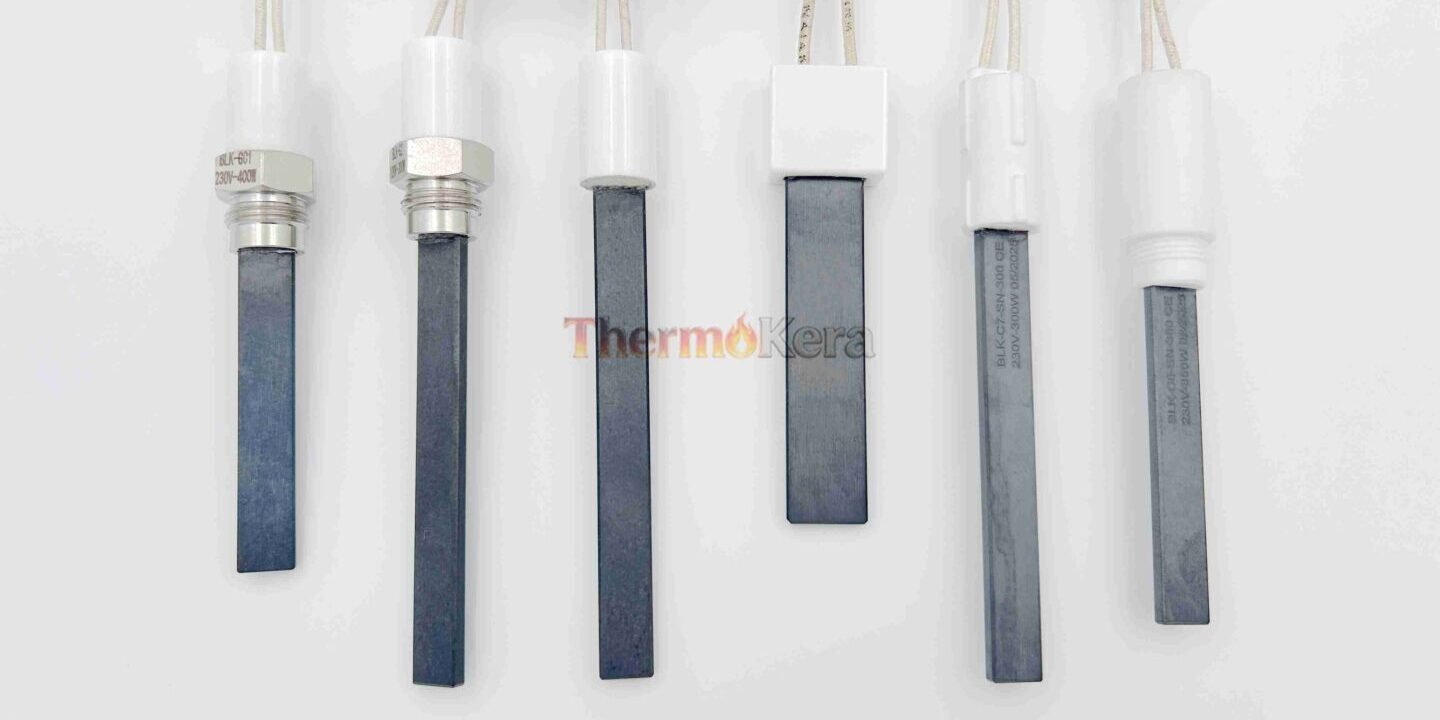
When it comes to reliable, high-temperature ignition for heating systems, industrial furnaces, and biomass appliances, ceramic igniters have become the industry standard.
Compared with traditional metal glow plugs or pilot lights, a ceramic igniter delivers:
- Faster heat-up times
- Longer operational lifespan
- Superior resistance to thermal shock
These advantages make ceramic igniters a critical component in modern, energy-efficient heating technology. This guide explains what a ceramic igniter is, how it works, and where it is most commonly used, helping engineers, OEM buyers, and end users understand why it is the preferred ignition solution.
What Is a Ceramic Igniter?
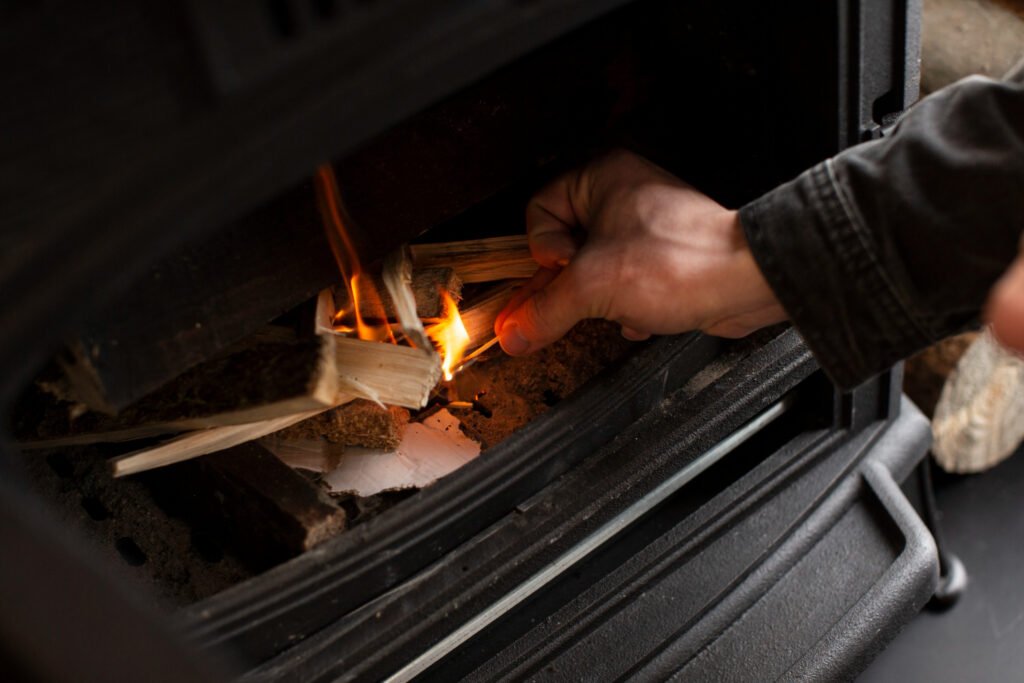
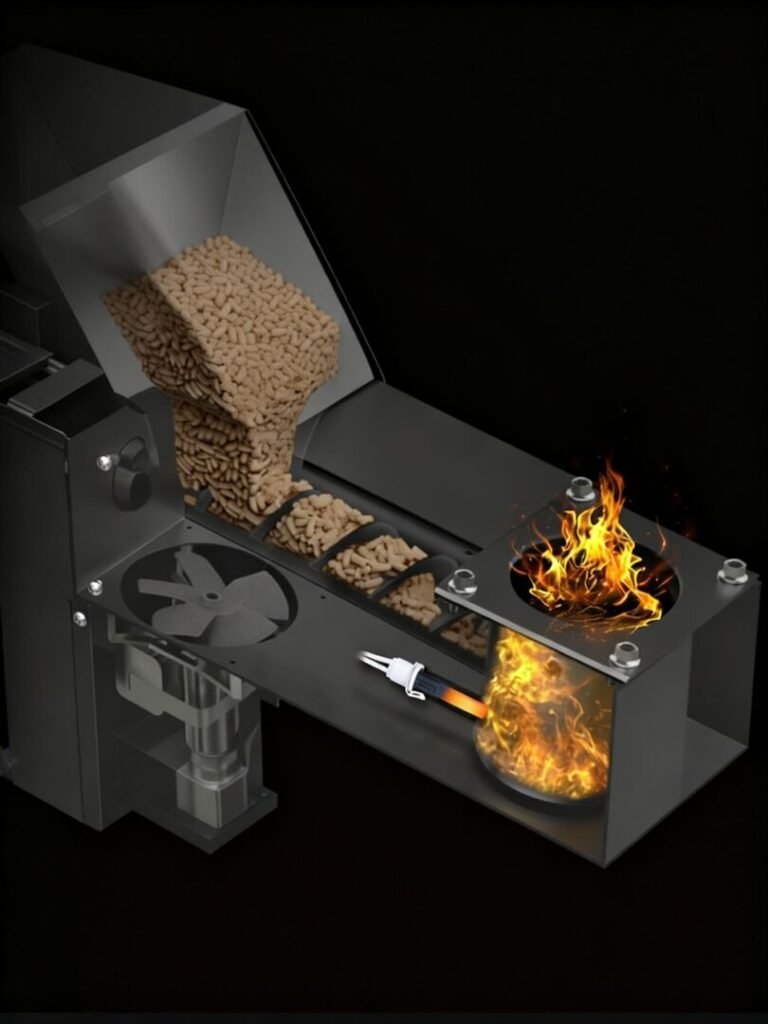
A ceramic igniter is a solid-state electrical heating component designed to generate intense, localized heat to ignite fuel sources such as:
- Wood pellets
- Natural gas
- Propane
Core Materials Used in Ceramic Igniters
Ceramic igniters are typically manufactured from advanced technical ceramics, including:
- Silicon nitride (Si₃N₄)
- Alumina (Al₂O₃)
These materials allow ceramic igniters to withstand extreme temperatures—often exceeding 1,000°C—without deformation or performance loss.
Why Ceramic Outperforms Metal Igniters
Unlike metal igniters, which can suffer from oxidation, corrosion, and thermal fatigue, a ceramic igniter maintains:
- Structural integrity
- Electrical insulation
- Consistent heating performance
Silicon nitride ceramic igniters are especially valued in industrial applications where rapid heating, durability, and repeatable ignition cycles are essential.
How Does a Ceramic Igniter Work?
A ceramic igniter operates using resistive heating, combined with the superior thermal properties of ceramic materials.

Step-by-Step Working Principle
1. Electrical Activation
When voltage is applied to the embedded heating element inside the ceramic body, electrical resistance generates heat almost instantly.
- Common voltages: 120V / 230V (residential)
- Higher voltages may be used in industrial systems for faster heat-up
2. Rapid Heat Transfer
The ceramic substrate efficiently distributes heat across its surface, allowing the igniter to reach ignition temperatures of 800–1,200°C within 30–60 seconds—significantly faster than metal glow plugs.
3. Fuel Ignition
Once the target temperature is reached, the ceramic igniter comes into contact with the fuel source, igniting:
- Wood pellets in biomass stoves
- Gas in burners or furnaces
4. Post-Ignition Control
After ignition:
- The igniter may remain active briefly to stabilize combustion
- It then switches off once the flame is self-sustaining
- Advanced systems integrate sensors to prevent overheating and extend service life
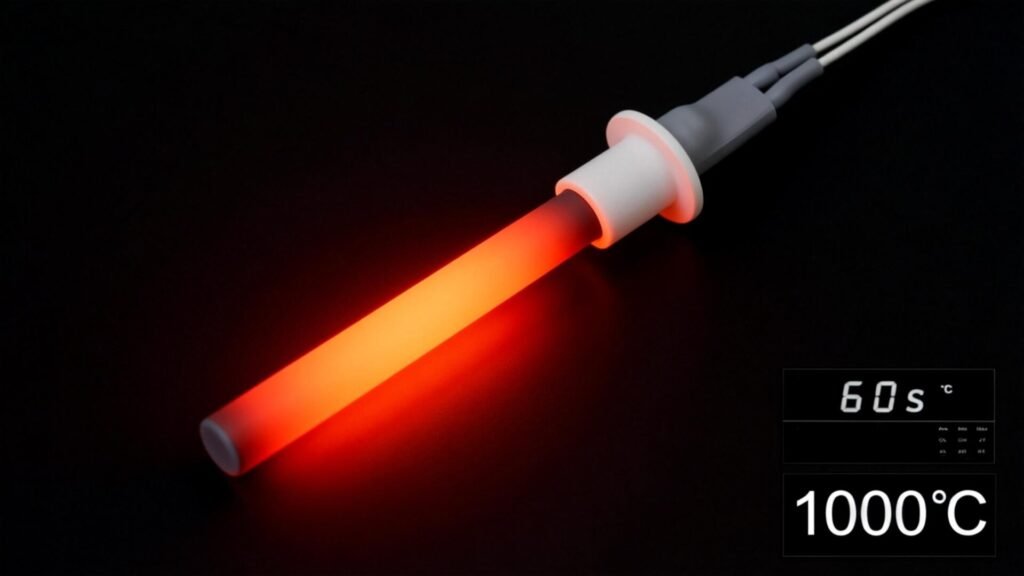
This flame-free ignition method eliminates the need for pilot lights, improving safety and reducing energy consumption.
Common Applications of Ceramic Igniters
Thanks to their durability and efficiency, ceramic igniters are widely used across multiple industries.
Residential Applications
- Pellet Stoves & Biomass Boilers
Ceramic igniters provide fast, reliable ignition of wood pellets without manual intervention. - Gas Fireplaces & Furnaces
Modern gas appliances replace standing pilot lights with ceramic igniters to improve efficiency and safety.
Industrial & Commercial Applications
- Industrial Furnaces & Burners
Used in boilers, kilns, incinerators, and process heating systems requiring frequent ignition cycles. - Food Processing & Commercial Cooking Equipment
Ensures consistent ignition in ovens, grills, and industrial cooking systems operating under heavy workloads.
Specialized & High-Performance Uses
- RV & Marine Heating Systems
Compact ceramic igniters deliver reliable performance where space and power efficiency are critical. - Aerospace & Defense
High-grade silicon nitride ceramic igniters are used in extreme environments where failure is not an option.
Ceramic Igniter vs Traditional Ignition Technologies
When compared with metal glow plugs or pilot lights, ceramic igniters offer clear advantages:
- Fast Heat-Up Time – Reaches ignition temperature in seconds
- Extended Lifespan – Often lasts 3–5× longer than metal alternatives
- Higher Energy Efficiency – No pilot light energy loss
- Improved Safety – Flame-free ignition reduces fire and gas risks
These benefits explain why ceramic igniters have become the default ignition solution in modern heating systems.
Conclusion: The Role of Ceramic Igniters in Efficient Heating
A ceramic igniter is more than a simple heating component—it is the foundation of efficient, reliable ignition in today’s heating technology.
From residential pellet stoves to industrial furnaces, ceramic igniters deliver:
- High-temperature performance
- Long-term durability
- Enhanced safety and energy efficiency
As demand for clean, efficient heating solutions continues to grow, ceramic igniters will remain at the forefront of ignition technology.
Selection Tip
When choosing a replacement ceramic igniter, always verify:
- Voltage rating
- Wattage
- Ceramic material (silicon nitride vs alumina)
Selecting a high-quality ceramic igniter improves system reliability and reduces long-term maintenance costs.

About Author Thermokera Ceramics
Thermokera Electric Heating Ceramics Manufacturing Plant Sales Engineer, with 10 years of specialized experience in ceramic heating rods, alumina, and silicon nitride ceramic ignition products. Proficient in both Chinese and English, with expertise in international trade processes. Providing OEM solutions and professional consulting services for electric heating ceramic products.
January 14, 2026

