

April 29, 2026
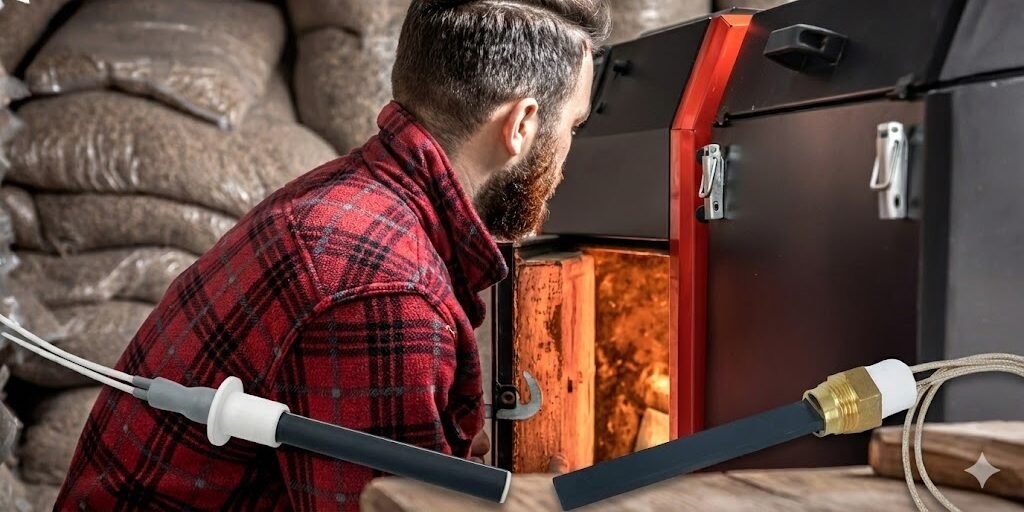
Choosing the right pellet stove igniter directly affects ignition speed, energy efficiency, reliability, and long-term operating cost.
Among electric ceramic igniters, silicon nitride (Si₃N₄) and alumina (Al₂O₃) are the two most widely used materials. While both can ignite wood pellets effectively, their performance, durability, efficiency, and lifecycle cost differ significantly.
This article provides a comprehensive comparison of silicon nitride vs alumina pellet stove igniters, helping manufacturers, distributors, and end users make an informed decision. We will also explain why silicon nitride igniters—such as those from Thermokera—are becoming the industry standard for modern pellet heating systems.
Understanding Pellet Stove Igniters
A pellet stove igniter is an electric heating element that raises temperature rapidly to ignite biomass fuel such as wood pellets. Key requirements include:
- Fast heat-up time
- Stable high-temperature operation
- Resistance to thermal shock
- Long service life under frequent on/off cycles
The igniter material plays a decisive role in meeting these requirements.
Silicon Nitride vs Alumina: Material Fundamentals
Alumina (Al₂O₃) Igniters
Alumina ceramic igniters have been used for decades due to their low material cost and relatively simple manufacturing process. However, alumina is inherently brittle and sensitive to rapid temperature changes.
Silicon Nitride (Si₃N₄) Igniters
Silicon nitride is an advanced engineering ceramic known for its exceptional mechanical strength, thermal shock resistance, and electrical stability. It is widely used in aerospace, automotive engines, and high-end industrial heating applications.
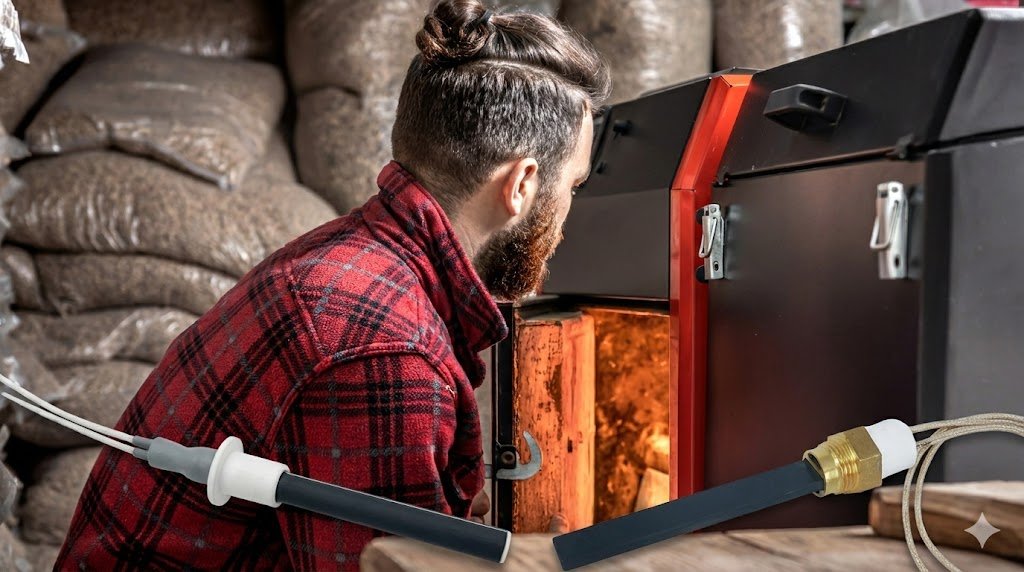
Performance Comparison: Silicon Nitride vs Alumina Pellet Stove Igniters
| Feature | Silicon Nitride Pellet Stove Igniter | Alumina Pellet Stove Igniter |
|---|---|---|
| Heating Speed | Extremely fast (10–30 seconds) | Slower (60–120 seconds) |
| Operating Temperature | Up to 1000°C+ | Typically ≤ 800°C |
| Thermal Shock Resistance | Excellent | Poor to moderate |
| Mechanical Strength | Very high | Low, brittle |
| Energy Efficiency | High (shorter ignition cycles) | Lower (longer heat-up time) |
| Service Life | 3–5× longer | Shorter, frequent replacement |
| Failure Rate | Very low | Relatively high |
| Initial Cost | Higher | Lower |
| Total Lifetime Cost | Lower | Higher |
Why Silicon Nitride Igniters Outperform Alumina
1. Faster Ignition, Lower Energy Consumption
Silicon nitride igniters reach ignition temperature much faster, reducing startup time and minimizing electricity usage per ignition cycle—an important factor for energy-efficient pellet stoves.
2. Superior Thermal Shock Resistance
Pellet stoves experience repeated heating and cooling cycles. Silicon nitride withstands these thermal shocks without cracking, while alumina igniters often fail prematurely due to micro-fractures.
3. Longer Service Life
A high-quality silicon nitride pellet stove igniter can last tens of thousands of ignition cycles, significantly reducing maintenance and replacement costs.
4. Higher Reliability in Real-World Conditions
Dust, ash, vibration, and fluctuating voltage levels are common in pellet heating systems. Silicon nitride maintains stable electrical and thermal performance under these conditions, unlike alumina.
Cost Analysis: Short-Term vs Long-Term Value
While alumina igniters have a lower upfront price, their shorter lifespan, higher failure rate, and increased downtime often result in a higher total cost of ownership.
In contrast, silicon nitride igniters—especially Thermokera silicon nitride pellet stove igniters—deliver lower lifetime cost, fewer service calls, and better user satisfaction.
Thermokera Silicon Nitride Pellet Stove Igniters
Thermokera specializes in high-performance silicon nitride ceramic igniters designed specifically for pellet stoves, biomass boilers, and solid fuel heating systems.
Key advantages of Thermokera silicon nitride igniters:
- Rapid ignition for wood pellet stoves
- High mechanical strength and durability
- Stable performance under frequent cycling
- Wide voltage and power customization options
- Designed for OEM and aftermarket replacement
By adopting Thermokera silicon nitride technology, manufacturers and distributors can significantly enhance product reliability and brand reputation.
Which Pellet Stove Igniter Should You Choose?
- Choose alumina igniters if upfront cost is the only concern and usage frequency is low.
- Choose silicon nitride igniters if you prioritize performance, durability, efficiency, and long-term savings.
For modern pellet stoves targeting high efficiency and low maintenance, silicon nitride is the clear winner.
Frequently Asked Questions (FAQ)
Q1: Is a silicon nitride pellet stove igniter compatible with existing systems?
Yes. Most silicon nitride igniters are designed as direct replacements for alumina igniters, provided voltage, power, and dimensions match.
Q2: Does silicon nitride consume more electricity?
No. In fact, silicon nitride igniters usually consume less total energy because they ignite pellets faster.
Q3: Why do alumina igniters fail more often?
Alumina ceramics are brittle and sensitive to thermal shock, which leads to cracking and early failure during repeated heating cycles.
Q4: Are silicon nitride igniters worth the higher price?
Yes. Their longer lifespan, higher reliability, and reduced maintenance make them more cost-effective over time.
Q5: Why choose Thermokera silicon nitride igniters?
Thermokera combines advanced ceramic materials, strict quality control, and application-specific design to deliver reliable, long-lasting pellet stove ignition solutions.

About Author Thermokera Ceramics
Thermokera Electric Heating Ceramics Manufacturing Plant Sales Engineer, with 10 years of specialized experience in ceramic heating rods, alumina, and silicon nitride ceramic ignition products. Proficient in both Chinese and English, with expertise in international trade processes. Providing OEM solutions and professional consulting services for electric heating ceramic products.
January 27, 2026

