


April 29, 2026
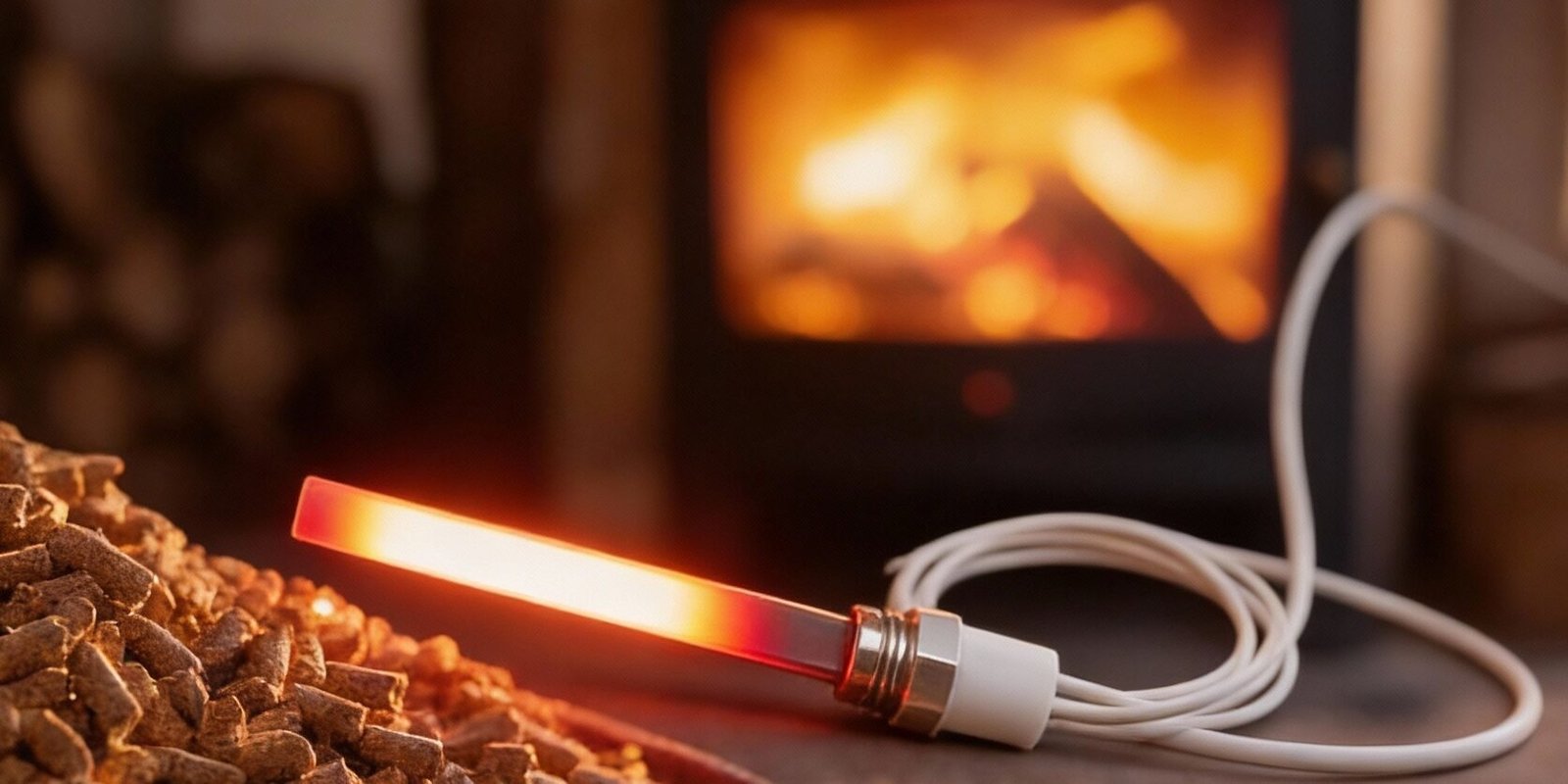
Selecting the correct igniter is a critical decision in the design, upgrade, or maintenance of gas furnaces and burners. The igniter directly affects startup reliability, safety performance, system efficiency, and long-term operating cost.
As silicon nitride igniters become the industry standard, manufacturers and engineers must understand how to evaluate electrical, thermal, mechanical, and application-specific factors. Suppliers such as Thermokera provide a wide range of silicon nitride igniters designed for OEM and professional heating applications.
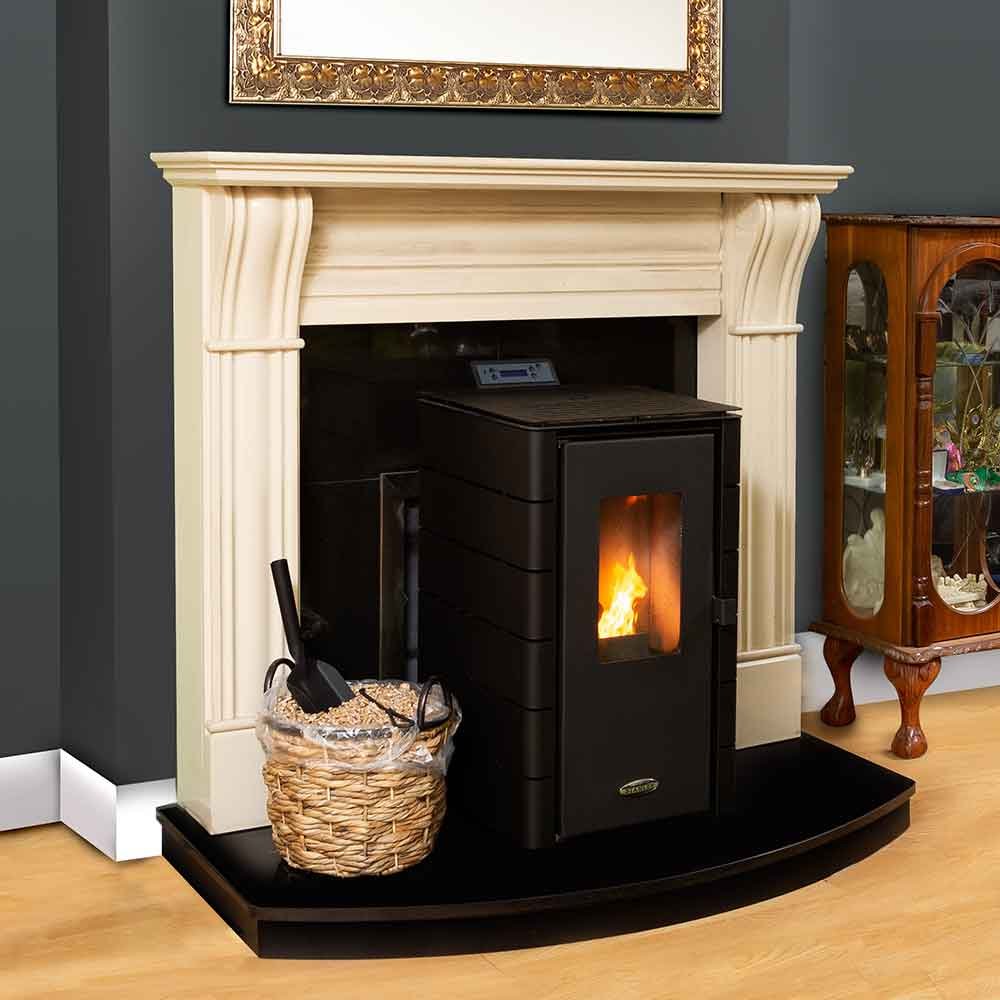
This guide explains how to choose the right silicon nitride igniter for your furnace or burner, ensuring optimal performance and compatibility.
1. Understand Your Furnace or Burner Application
The first step in selecting a silicon nitride igniter is clearly defining the application environment.
Key questions include:
- Is the system residential, commercial, or industrial?
- Is it a furnace, boiler, or open-flame burner?
- What is the ignition frequency and duty cycle?
- Is the system designed for continuous or intermittent operation?
Thermokera works with furnace and burner manufacturers to match igniter design with real operating conditions, rather than relying on generic specifications.
2. Match the Correct Voltage and Electrical Resistance
2.1 Voltage Compatibility
Silicon nitride igniters are available in multiple voltage options, commonly including:
- 120V
- 230V
- Custom OEM voltages
Using the correct voltage is essential to avoid overheating or delayed ignition. Thermokera offers voltage-matched silicon nitride igniters to ensure direct compatibility with existing control boards.
2.2 Resistance Range and Stability
Electrical resistance determines current draw and heating behavior.
Typical silicon nitride igniters operate within:
- 10–90 ohms, depending on voltage and design
Stable resistance is critical for:
- Reliable ignition timing
- Accurate safety monitoring
- Preventing nuisance lockouts
Thermokera controls resistance within tight tolerances, reducing variation across large production batches and ensuring consistent furnace performance.
3. Consider Operating Temperature and Thermal Shock Resistance
3.1 Required Ignition Temperature
Silicon nitride igniters typically reach 800°C–1,200°C, sufficient for reliable gas ignition in most furnace and burner designs.
However, system designers should consider:
- Flame geometry
- Gas type
- Air-fuel mixture
- Igniter placement
Thermokera engineers optimize igniter geometry and material composition to deliver uniform heat distribution without localized overheating.
3.2 Thermal Cycling Durability
In real-world use, igniters experience frequent heating and cooling cycles.
Silicon nitride offers:
- High thermal shock resistance
- Minimal micro-cracking
- Stable performance under repeated cycling
Thermokera silicon nitride igniters are designed to withstand 100000+ of ignition cycles, even in high-efficiency or condensing systems.
4. Evaluate Mechanical Strength and Mounting Design
Mechanical failure is a common cause of igniter replacement, especially during installation or transport.
When selecting a silicon nitride igniter, consider:
- Igniter shape and dimensions
- Mounting method (bracket, clip, flange)
- Resistance to vibration and impact
Thermokera silicon nitride igniters feature high fracture toughness, reducing breakage during automated assembly and field servicing.
5. Check Compatibility with Existing Furnace or Burner Platforms
For replacement or upgrade projects, compatibility is essential.
A suitable silicon nitride igniter should:
- Match the original form factor
- Fit existing mounting points
- Align with flame position
- Integrate with current control logic
Thermokera provides plug-and-play silicon nitride igniter solutions, allowing manufacturers and service providers to upgrade from silicon carbide igniters without redesigning the entire system.
6. Assess Expected Lifespan and Total Cost of Ownership
While silicon nitride igniters may have a higher upfront cost, they offer a significantly longer service life.
Typical benefits include:
- 3–5× longer lifespan than silicon carbide
- Fewer warranty claims
- Reduced service and replacement frequency
- Improved end-user satisfaction
Thermokera silicon nitride igniters are engineered to minimize total cost of ownership, not just initial component cost.
7. OEM Customization and Supply Reliability
Products by Category
For furnace and burner manufacturers, supplier capability matters as much as product specifications.
Thermokera offers:
- OEM-level customization of voltage, resistance, and geometry
- Consistent quality across high-volume production
- Stable long-term supply
- Engineering and application support
This makes Thermokera a preferred partner for manufacturers developing next-generation heating platforms.
8. Common Mistakes to Avoid When Choosing a Silicon Nitride Igniter
- Selecting voltage without verifying control board compatibility
- Ignoring resistance tolerance and long-term stability
- Overlooking mounting and mechanical fit
- Focusing only on unit price instead of lifecycle cost
- Using generic replacements without OEM validation
Working with an experienced supplier like Thermokera helps avoid these issues early in the design or upgrade process.
9.FAQs
How do I choose the right silicon nitride igniter?
You should evaluate voltage, resistance, operating temperature, mechanical fit, and expected lifespan based on your furnace or burner design.
Are silicon nitride igniters interchangeable?
Many are compatible, but voltage, resistance, and mounting must match the original design. Thermokera offers plug-and-play replacement options.
What voltage is best for a silicon nitride igniter?
Common options include 120V and 230V. The correct choice depends on the furnace control system.
Why choose Thermokera silicon nitride igniters?
Thermokera provides OEM-grade quality, customization, stable supply, and proven durability in real heating applications.
Conclusion: The Right Igniter Is an Engineering Decision
Choosing the right silicon nitride igniter is not just a component swap — it is an engineering decision that affects system reliability, safety, and cost over time.
By carefully evaluating electrical, thermal, and mechanical requirements, and by working with experienced suppliers like Thermokera, furnace and burner manufacturers can ensure long-term performance and competitive product quality.

About Author Thermokera Ceramics
Thermokera Electric Heating Ceramics Manufacturing Plant Sales Engineer, with 10 years of specialized experience in ceramic heating rods, alumina, and silicon nitride ceramic ignition products. Proficient in both Chinese and English, with expertise in international trade processes. Providing OEM solutions and professional consulting services for electric heating ceramic products.
February 9, 2026

