


April 29, 2026
As gas furnaces, burners, and heating systems continue to evolve toward higher efficiency and stricter safety standards, OEM manufacturers demand ignition components that go far beyond basic functionality. Today, silicon nitride igniters are not only selected for their performance advantages, but also for their manufacturing consistency, customization flexibility, and quality control discipline.
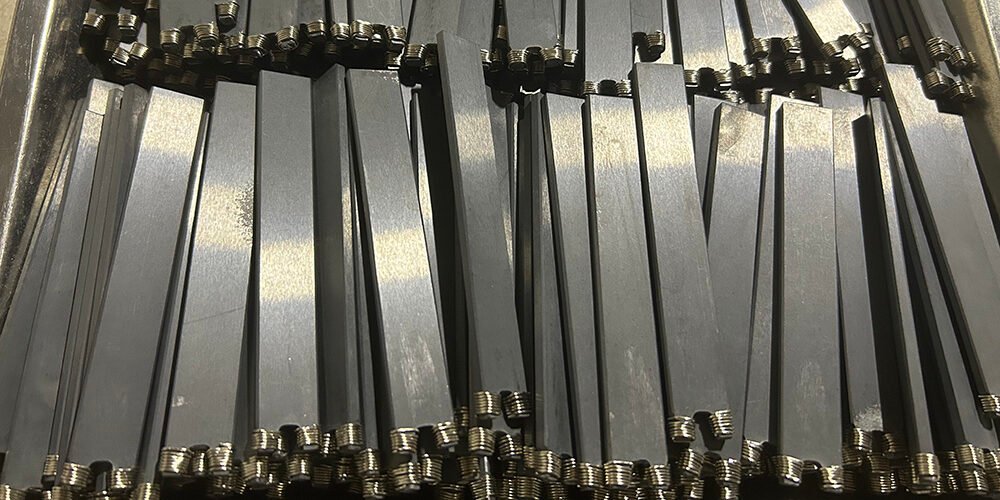
This article explains how OEM silicon nitride igniters are manufactured, what customization options matter most, and why rigorous quality control is essential for large-scale furnace and burner production.
1. Why OEM Manufacturing Matters for Silicon Nitride Igniters
For OEM furnace and burner manufacturers, igniters are not interchangeable commodities. Each platform has specific requirements related to:
- Electrical parameters
- Mechanical geometry
- Mounting method
- Control board compatibility
- Long-term durability expectations
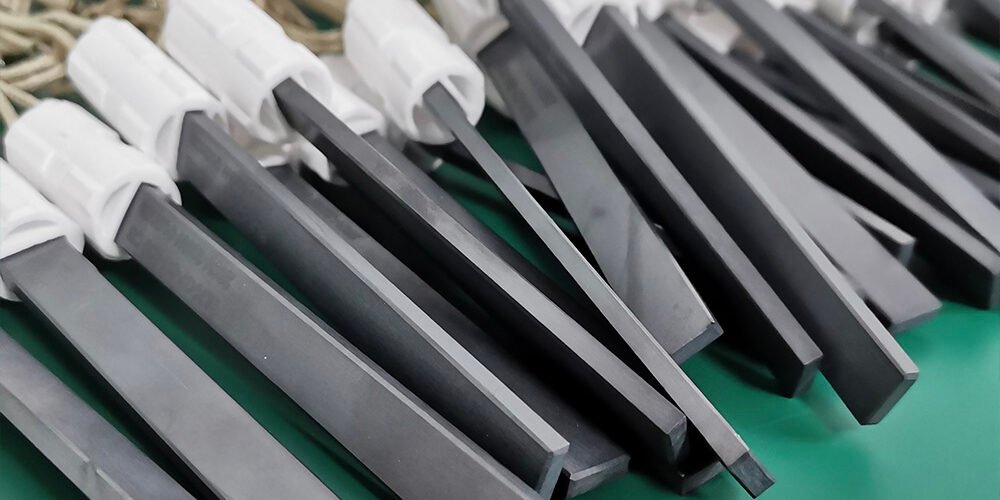
OEM silicon nitride igniter manufacturing focuses on precision, repeatability, and application-specific optimization, ensuring every igniter performs consistently across thousands or millions of units.
2. Custom Shape Design for Furnace and Burner Platforms
2.1 Why Shape Customization Is Critical
The physical shape of a silicon nitride igniter directly affects:
- Flame ignition reliability
- Heat distribution
- Mechanical stability
- Compatibility with combustion chamber geometry
OEM manufacturers often require igniters that fit tight spaces or align precisely with flame ports.
2.2 Common Custom Shape Options
OEM silicon nitride igniter designs may include:
- Flat blade igniters
- Round or cylindrical igniters
- U-shaped or angled profiles
- Reinforced tip designs for heavy-duty burners
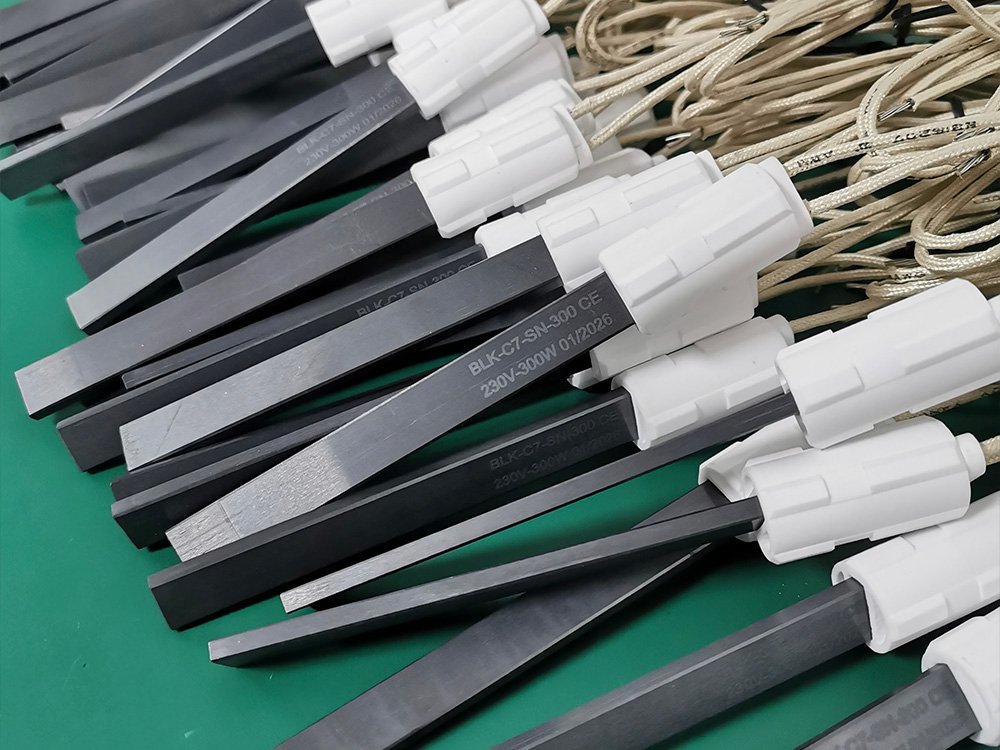
Custom lengths, thicknesses, and cross-sections are engineered to balance mechanical strength and heating efficiency.
2.3 Tooling and Mold Precision
In OEM manufacturing, shape consistency depends on:
- High-precision ceramic molding tools
- Tight dimensional tolerances
- Controlled sintering shrinkage
Accurate tooling ensures that every igniter fits perfectly into automated assembly lines without manual adjustment.
3. Voltage Options and Electrical Customization
3.1 Standard and Custom Voltage Platforms
OEM silicon nitride igniters are available in:
- 120V systems (common in North America)
- 230V systems (common in Europe and other regions)
- Custom voltage ranges for specialized industrial equipment
Selecting the correct voltage prevents overheating, delayed ignition, and control board faults.
3.2 Resistance Control and Calibration
Electrical resistance determines how quickly the igniter heats and how much current it draws.
Key OEM considerations include:
- Target resistance range
- Tight resistance tolerance across production batches
- Long-term resistance stability
Precision resistance calibration ensures predictable ignition timing and reliable safety monitoring.
3.3 Compatibility with Control Electronics
OEM igniters must integrate seamlessly with:
- Furnace control boards
- Flame detection systems
- Safety shutoff logic
Electrical customization allows igniters to operate correctly without requiring changes to existing electronics, reducing redesign costs.
Products by Category
4. Material Processing and Silicon Nitride Sintering
4.1 Why Silicon Nitride Is Different
Silicon nitride is chosen for OEM igniters because of its:
- High fracture toughness
- Excellent thermal shock resistance
- Stable electrical behavior at high temperature
However, achieving these properties requires advanced ceramic processing.
4.2 Controlled Sintering Process
OEM-grade silicon nitride igniters are produced using:
- High-purity raw materials
- Precisely controlled sintering temperatures
- Optimized grain structure formation
This process ensures consistent mechanical strength and thermal performance across all production batches.
5. Quality Control in OEM Silicon Nitride Igniter Manufacturing
5.1 Incoming Material Inspection
Quality control begins with:
- Raw material purity verification
- Particle size distribution checks
- Chemical composition analysis
Consistent materials are the foundation of reliable igniter performance.
5.2 In-Process Quality Checks
During production, OEM manufacturers perform:
- Dimensional measurements
- Resistance testing
- Visual and microscopic inspection
These checks detect deviations early and prevent defects from reaching final assembly.
5.3 Final Performance Testing
Before shipment, OEM silicon nitride igniters undergo:
- Electrical resistance verification
- High-temperature operation testing
- Thermal shock testing
- Mechanical strength validation
This ensures every igniter meets design specifications and durability expectations.
6. Batch Consistency and Traceability
OEM furnace and burner manufacturers require full batch traceability to manage quality risk and after-sales support.
Key traceability practices include:
- Batch identification codes
- Production date tracking
- Process parameter records
Traceability allows fast root-cause analysis in the rare event of field issues.
7. Scaling Production Without Sacrificing Quality
One of the biggest OEM challenges is maintaining performance consistency at scale.
OEM silicon nitride igniter manufacturing addresses this through:
- Automated production processes
- Statistical process control (SPC)
- Continuous improvement systems
This ensures that igniters produced today perform the same as those produced years later.
8. Why OEMs Prioritize Quality Control Over Unit Cost
While cost is always a factor, OEM manufacturers increasingly prioritize:
- Lower warranty claims
- Fewer field failures
- Brand reputation protection
- Long-term supply stability
A slightly higher component cost is often outweighed by reduced lifecycle risk and improved end-user satisfaction.
9. FAQs
What is OEM silicon nitride igniter manufacturing?
It refers to the production of silicon nitride igniters customized for specific furnace or burner designs, including shape, voltage, and resistance requirements.
Can silicon nitride igniters be customized for different furnaces?
Yes. OEM manufacturers offer custom shapes, dimensions, voltage options, and mounting solutions.
Why is quality control critical for igniters?
Because igniters operate at extreme temperatures, small variations can lead to failure, safety issues, or warranty costs.
Are OEM silicon nitride igniters more reliable than standard igniters?
Yes. OEM igniters are engineered and tested for specific applications, resulting in higher reliability and longer service life.
Conclusion: OEM Manufacturing Defines Igniter Performance
OEM silicon nitride igniter manufacturing is not just about producing components — it is about delivering consistent, application-specific ignition performance at scale.
Through:
- Custom shape design
- Precise voltage and resistance control
- Rigorous quality management
OEM silicon nitride igniters enable furnace and burner manufacturers to build safer, more reliable, and more competitive heating systems.

About Author Thermokera Ceramics
Thermokera Electric Heating Ceramics Manufacturing Plant Sales Engineer, with 10 years of specialized experience in ceramic heating rods, alumina, and silicon nitride ceramic ignition products. Proficient in both Chinese and English, with expertise in international trade processes. Providing OEM solutions and professional consulting services for electric heating ceramic products.
February 11, 2026

