


April 27, 2026
When designing or upgrading modern gas furnaces and heating systems, ignition components are no longer treated as simple consumables. For OEMs and system designers, operating temperature stability, electrical resistance control, and service lifespan of igniters directly impact reliability, safety compliance, and total cost of ownership.
This is why silicon nitride igniters have become the preferred solution across residential, commercial, and industrial furnaces. Manufacturers such as Thermokera have played a key role in advancing silicon nitride igniter technology, delivering consistent performance under demanding operating conditions.
This article explains how operating temperature, resistance, and lifespan work together, and why silicon nitride igniters outperform traditional alternatives.
1. Typical Operating Temperature of Silicon Nitride Igniters
1.1 Ignition Temperature Range
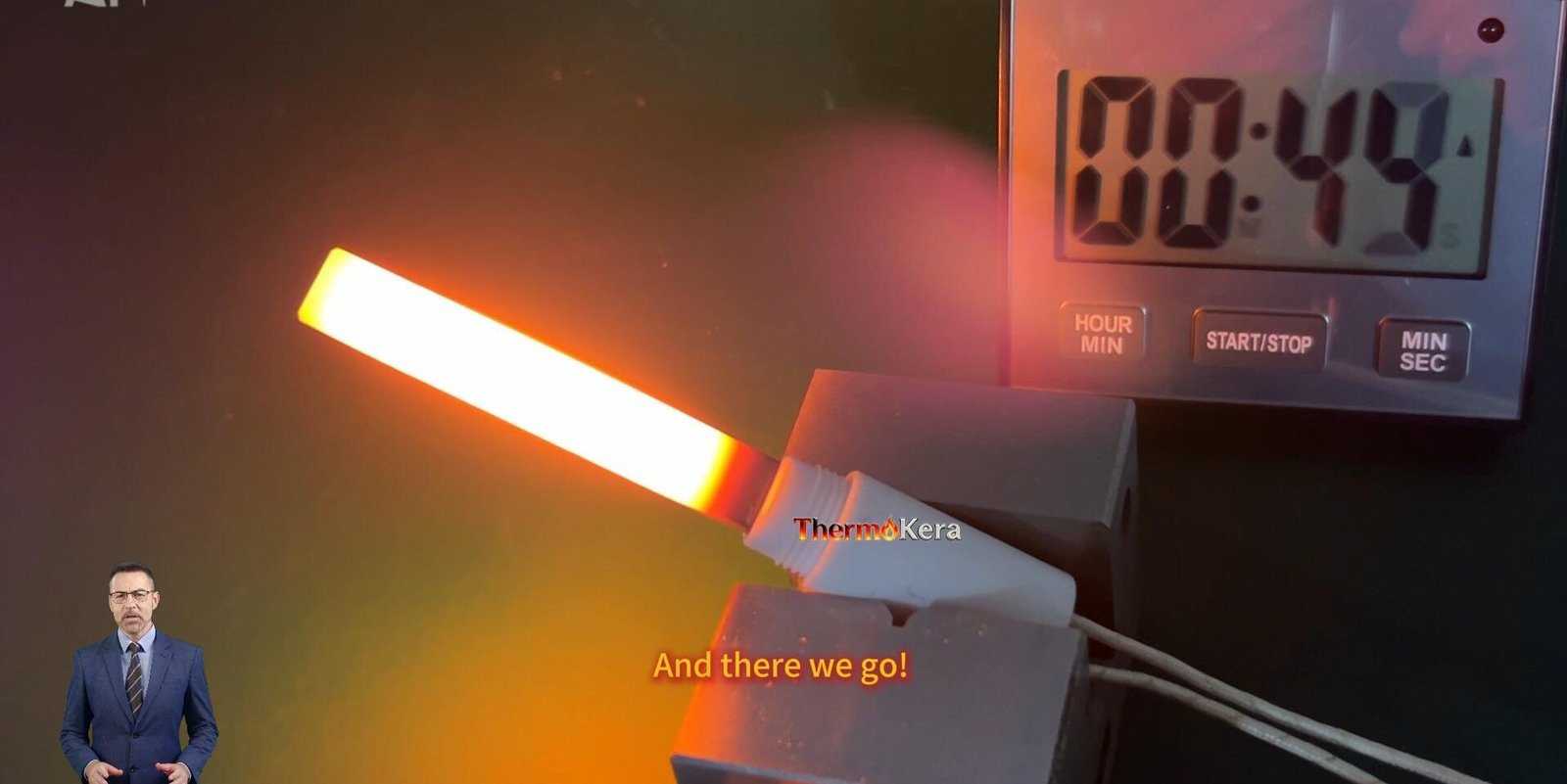
Silicon nitride igniters are designed to reach gas ignition temperature rapidly and repeatedly.
- Typical surface operating temperature: 800°C – 1,200°C
- Time to ignition temperature: a few seconds
- Stable heat distribution across the igniter surface
Unlike silicon carbide igniters, which are more sensitive to uneven heating, silicon nitride igniters maintain uniform thermal output, reducing the risk of localized overheating or premature failure.
Thermokera silicon nitride igniters are engineered to operate reliably within this temperature range across 100000+ of ignition cycles.
1.2 Thermal Shock Resistance
A critical advantage of silicon nitride is its exceptional thermal shock resistance.
In real-world furnace operation, igniters experience:
- Rapid heating during startup
- Sudden cooling after flame establishment
- Frequent on/off cycling during seasonal use
Silicon nitride material structure allows Thermokera igniters to withstand repeated thermal cycling without cracking or resistance drift, making them suitable for both high-efficiency residential furnaces and heavy-duty industrial burners.
2. Electrical Resistance: Why It Matters More Than You Think
2.1 Typical Resistance Range
Electrical resistance determines how an igniter heats up and how the furnace control board monitors ignition.
- Common resistance range: 10–90 ohms (depending on model and voltage)
- Stable resistance ensures predictable current draw
- Critical for flame detection and safety logic
Thermokera tightly controls resistance values during manufacturing, ensuring batch-to-batch consistency required by OEM production lines.
2.2 Resistance Stability Over Time
One of the most common failure modes of traditional igniters is resistance drift.
Problems caused by unstable resistance include:
- Delayed ignition
- Ignition failure codes
- False safety shutdowns
- Increased warranty claims
Silicon nitride igniters maintain stable electrical characteristics throughout their service life. Thermokera silicon nitride igniters are designed to retain resistance stability even after prolonged exposure to high temperatures and combustion byproducts.
2.3 Voltage Compatibility
Silicon nitride igniters are compatible with multiple voltage platforms, including:
- 120V
- 230V
- Custom OEM voltages
Thermokera provides OEM-customized voltage and resistance configurations, allowing direct integration into existing furnace designs without control board redesign.
3. Expected Lifespan of Silicon Nitride Igniters
3.1 Average Service Life
Compared to silicon carbide igniters, silicon nitride igniters deliver a significantly longer operational lifespan.
- Typical lifespan: 3 to 5 times longer than silicon carbide
- Designed for tens of thousands of ignition cycles
- Reduced risk of early-life failure
This extended lifespan is a major reason furnace manufacturers are switching to silicon nitride solutions from suppliers like Thermokera.
3.2 Factors That Influence Igniter Lifespan
While silicon nitride igniters are inherently durable, lifespan depends on several system-level factors:
- Furnace operating temperature profile
- Frequency of ignition cycles
- Mechanical mounting stability
- Exposure to contaminants or moisture
Thermokera works closely with OEM partners to optimize mounting design, material selection, and electrical parameters, maximizing igniter lifespan within specific furnace platforms.
4. How Temperature, Resistance, and Lifespan Are Interconnected
These three parameters are not independent — they directly influence each other.
- Stable resistance ensures controlled heating
- Controlled heating prevents excessive operating temperature
- Optimized temperature extends material lifespan
Thermokera silicon nitride igniters are engineered as integrated systems, balancing electrical and thermal performance to deliver long-term reliability rather than short-term peak output.
5. Comparison with Traditional Silicon Carbide Igniters
| Performance Factor | Silicon Nitride Igniter | Silicon Carbide Igniter |
|---|---|---|
| Operating Temperature Stability | High | Moderate |
| Thermal Shock Resistance | Excellent | Limited |
| Resistance Stability | Very stable | Prone to drift |
| Mechanical Strength | High | Brittle |
| Typical Lifespan | Long | Shorter |
This performance gap explains why silicon nitride igniters are increasingly adopted as the default ignition technology in modern furnaces.
6. Why Furnace OEMs Choose Thermokera Silicon Nitride Igniters
Products by Category
Thermokera combines advanced ceramic engineering with OEM-focused manufacturing control.
Thermokera Key Strengths
- Precision resistance and voltage customization
- High-temperature ceramic sintering expertise
- Consistent quality for large-volume production
- Proven durability in real furnace operating environments
By choosing Thermokera, furnace manufacturers gain not only a component supplier, but a long-term ignition technology partner.
7. FAQs
How hot does a silicon nitride igniter get?
Silicon nitride igniters typically operate between 800°C and 1,200°C, providing fast and reliable gas ignition.
What resistance should a silicon nitride igniter have?
Resistance varies by design, but most silicon nitride igniters fall within 10–90 ohms, depending on voltage and application.
How long does a silicon nitride igniter last?
Under normal operating conditions, silicon nitride igniters last 3 to 5 times longer than traditional silicon carbide igniters.
Are Thermokera silicon nitride igniters suitable for OEM use?
Yes. Thermokera offers OEM-grade customization, stable supply, and consistent performance for furnace manufacturers.
Conclusion: Engineering Stability Is the Real Advantage
Operating temperature, resistance, and lifespan define the real value of an igniter — not just its initial cost.
Silicon nitride igniters deliver:
- Controlled high-temperature performance
- Stable electrical behavior
- Extended service life
With Thermokera silicon nitride igniters, furnace manufacturers can meet modern reliability, safety, and efficiency expectations while reducing long-term operational risk.

About Author Thermokera Ceramics
Thermokera Electric Heating Ceramics Manufacturing Plant Sales Engineer, with 10 years of specialized experience in ceramic heating rods, alumina, and silicon nitride ceramic ignition products. Proficient in both Chinese and English, with expertise in international trade processes. Providing OEM solutions and professional consulting services for electric heating ceramic products.
February 7, 2026
Related Posts

April 13, 2026
