


April 29, 2026
Silicon Nitride (Si₃N₄) Ceramic Material Technology Explained: Composition, Properties, Manufacturing, and Applications
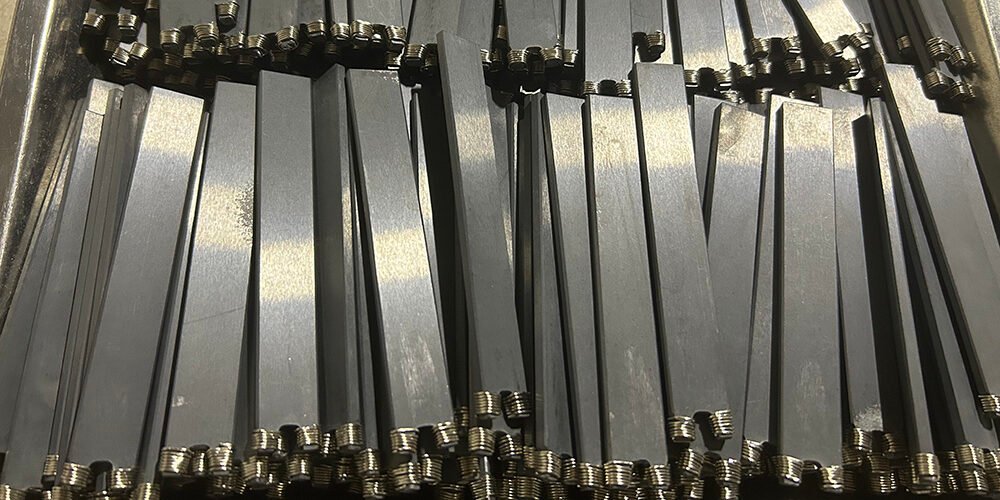
Silicon Nitride (Si₃N₄) is an advanced structural ceramic material widely recognized for its exceptional mechanical strength, thermal stability, and chemical resistance. Originally developed for high-performance engineering applications, Si₃N₄ ceramics are now extensively used across automotive, aerospace, energy, electronics, and thermal engineering industries.
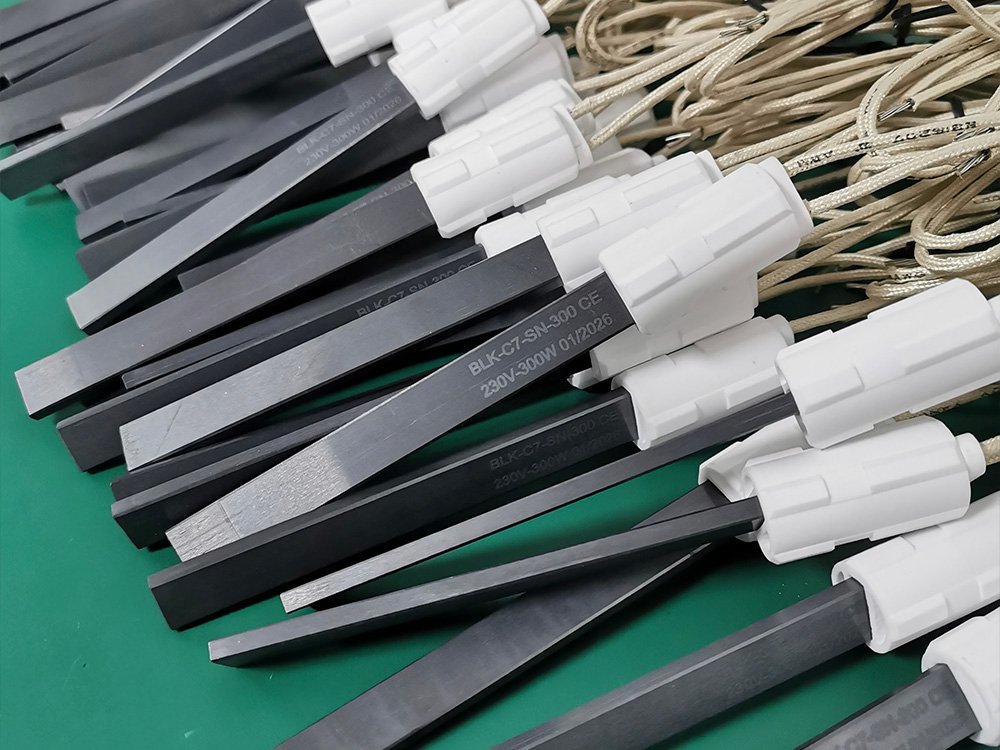
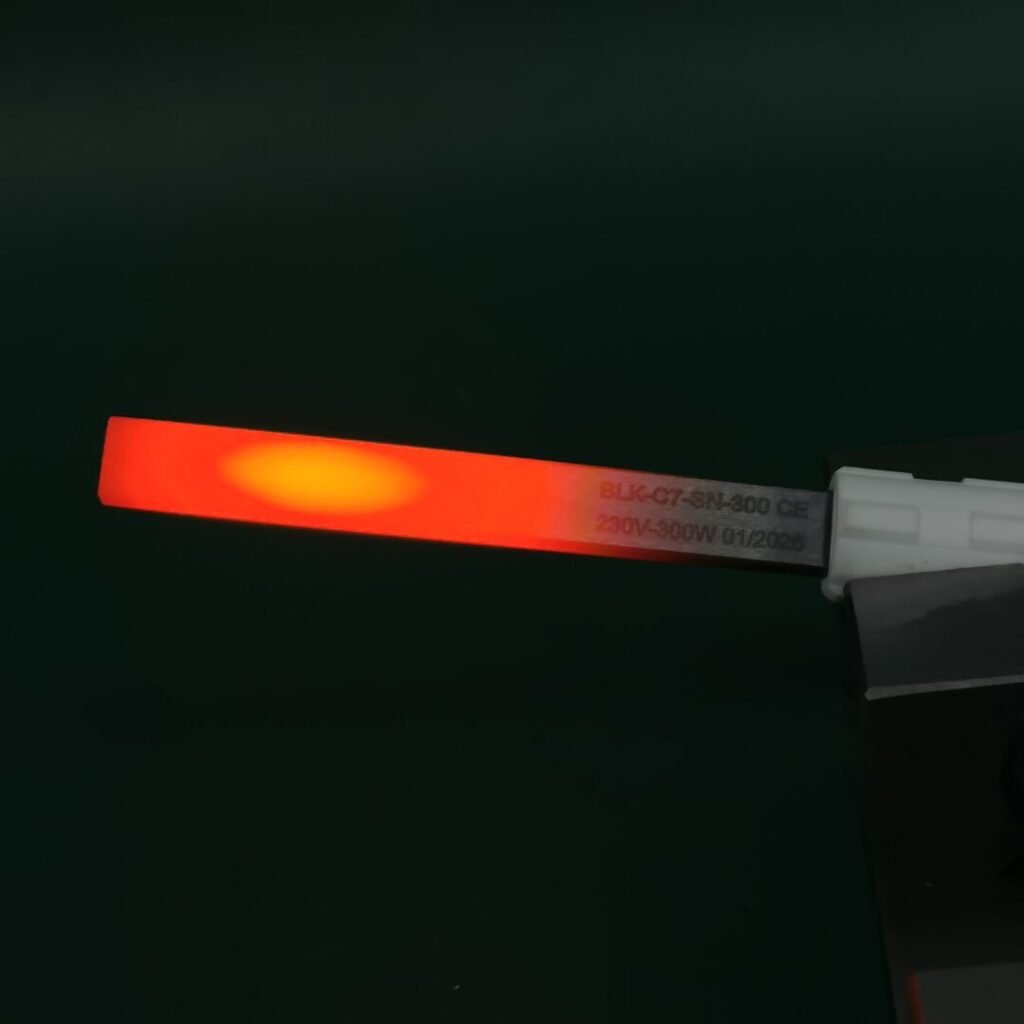
In recent years, Silicon Nitride (Si₃N₄) ceramic technology has also become the preferred material solution for electric heating and ignition systems, especially in high-temperature, high-reliability environments.
This article provides a technical yet accessible explanation of Si₃N₄ ceramic material from chemical fundamentals to industrial applications, with a focused section on its role in ceramic electric heating igniters.
Chemical Composition and Crystal Structure of Silicon Nitride
Basic Chemical Formula
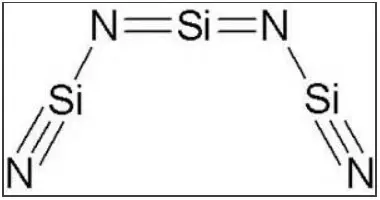
Silicon Nitride has the chemical formula:
Si₃N₄
It consists of:
- Silicon (Si) atoms
- Nitrogen (N) atoms
Bonded together through strong covalent Si–N bonds, which are responsible for its outstanding thermal and mechanical performance.
Crystal Phases of Si₃N₄
Silicon Nitride exists primarily in two crystalline phases:
- α-Si₃N₄ (alpha phase)
- β-Si₃N₄ (beta phase)
During high-temperature sintering, α-phase gradually transforms into β-phase.
The β-Si₃N₄ phase, with its elongated, interlocking grain structure, provides:
- Higher fracture toughness
- Improved mechanical reliability
- Enhanced thermal shock resistance
Most industrial-grade Silicon Nitride ceramics are engineered to maximize the β-phase content.
Key Physical and Chemical Properties of Si₃N₄ Ceramic
Silicon Nitride is classified as a non-oxide advanced ceramic, offering a rare combination of properties that few materials can match.
Mechanical Properties
- High flexural strength
- Excellent fracture toughness
- Strong resistance to wear and fatigue
- Low density compared to metals
Thermal Properties
- High operating temperature capability (>1000°C)
- Low thermal expansion coefficient
- Exceptional thermal shock resistance
- Stable performance under rapid heating and cooling cycles
Electrical and Chemical Properties
- Excellent electrical insulation
- High dielectric strength
- Strong oxidation resistance
- Resistant to corrosion from gases, ash, and combustion by-products
These characteristics make Silicon Nitride (Si₃N₄) ceramic material ideal for demanding thermal and electrical applications.
Manufacturing Process of Silicon Nitride Ceramics
Producing high-quality Si₃N₄ ceramic requires precise control of raw materials and processing conditions.
Typical Manufacturing Steps
- High-purity silicon nitride powder preparation
- Addition of sintering aids (e.g., yttria, alumina)
- Shaping (isostatic pressing, extrusion, or injection molding)
- High-temperature sintering (gas pressure sintering or hot pressing)
- Phase transformation control (α to β phase)
- Precision machining and surface finishing
- Quality inspection and performance testing
Advanced sintering techniques are essential to achieve high density, low porosity, and consistent grain structure, which directly affect durability and thermal performance.
Key Advantages of Silicon Nitride Ceramic Technology
Compared with traditional ceramics and metals, Silicon Nitride (Si₃N₄) offers several decisive advantages:
- Superior strength-to-weight ratio
- Long service life under cyclic thermal stress
- Minimal deformation at high temperatures
- Reduced maintenance and failure risk
- Stable performance in aggressive environments
These advantages explain why Si₃N₄ ceramics are increasingly used as engineering-grade materials rather than purely structural components.
Industrial Applications of Silicon Nitride (Si₃N₄) Ceramics
Silicon Nitride ceramics are widely applied in industries that require high reliability and extreme performance:
- Automotive engine components (valves, turbocharger rotors)
- Bearings and rolling elements
- Aerospace structural components
- Semiconductor manufacturing equipment
- Metallurgical and heat-treatment fixtures
- Energy and power generation systems
Their proven performance in these industries provides strong technical validation for their use in thermal and electrical applications.
Application of Silicon Nitride in Electric Heating and Ignition Systems
Products by Category
Why Si₃N₄ Is Ideal for Electric Heating Igniters
In electric heating and ignition applications, materials must withstand:
- Rapid temperature rise
- Continuous thermal cycling
- Mechanical vibration
- Oxidizing and corrosive environments
Silicon Nitride (Si₃N₄) ceramic igniters meet all these requirements due to their intrinsic material properties.
Advantages in Ceramic Electric Heating Igniters
- Ultra-fast heating capability
- High ignition temperature stability
- Exceptional resistance to thermal shock
- Long operational lifespan
- Low failure rate under continuous cycling
These advantages make Si₃N₄ ceramic electric heating igniters far superior to metal or silicon carbide alternatives.
Typical Ignition Applications Using Si₃N₄ Ceramic
Silicon Nitride ceramic heating igniters are commonly used in:
- Pellet stoves
- Biomass boilers
- Wood pellet burners
- Gas and oil burners
- Industrial heating equipment
- Commercial and residential heating systems
OEM manufacturers increasingly specify Silicon Nitride (Si₃N₄) igniters to improve system efficiency, reliability, and user experience.
Reliability, Safety, and Long-Term Performance
From an engineering perspective, Si₃N₄ ceramic technology offers:
- Predictable failure behavior
- High resistance to micro-cracking
- Stable electrical insulation
- Reduced risk of sudden breakdown
These characteristics support long-term, safe operation in safety-critical ignition systems.
Conclusion
Silicon Nitride (Si₃N₄) ceramic material represents one of the most advanced and reliable solutions in modern materials science. Its unique combination of chemical stability, mechanical strength, and thermal resilience has enabled its widespread adoption across high-performance industries.
In the field of ceramic electric heating igniters, Si₃N₄ has proven to be the optimal material choice, delivering faster ignition, longer service life, and superior operational safety.
As heating systems continue to evolve toward higher efficiency and lower emissions, Silicon Nitride (Si₃N₄) ceramic technology will remain a foundational material for next-generation ignition solutions.

About Author Thermokera Ceramics
Thermokera Electric Heating Ceramics Manufacturing Plant Sales Engineer, with 10 years of specialized experience in ceramic heating rods, alumina, and silicon nitride ceramic ignition products. Proficient in both Chinese and English, with expertise in international trade processes. Providing OEM solutions and professional consulting services for electric heating ceramic products.
January 31, 2026

