

April 27, 2026
Why Silicon Nitride Ceramics Matter in Aerospace
In modern aerospace engineering, material performance directly defines system reliability, efficiency, and safety. Among advanced engineering ceramics, silicon nitride (Si₃N₄) has emerged as a critical material due to its exceptional combination of mechanical strength, thermal stability, and resistance to extreme environments.
As aircraft engines, spacecraft systems, and high-speed propulsion technologies evolve, the demand for lightweight, high-temperature, and wear-resistant materials continues to grow. Silicon nitride ceramics are uniquely positioned to meet these challenges, making them indispensable in next-generation aerospace applications.
What Is Silicon Nitride Ceramic?
Silicon nitride is a high-performance non-oxide ceramic composed of silicon and nitrogen atoms. It is widely recognized for its:
- High fracture toughness (rare among ceramics)
- Excellent thermal shock resistance
- Low density (≈40% lighter than steel)
- Superior wear and corrosion resistance
- Stability at temperatures exceeding 1000°C
These properties make Si₃N₄ ideal for extreme aerospace operating conditions, where metals often fail due to oxidation, creep, or thermal fatigue.
Key Applications of Silicon Nitride in Aerospace
1. Aircraft Engine Components
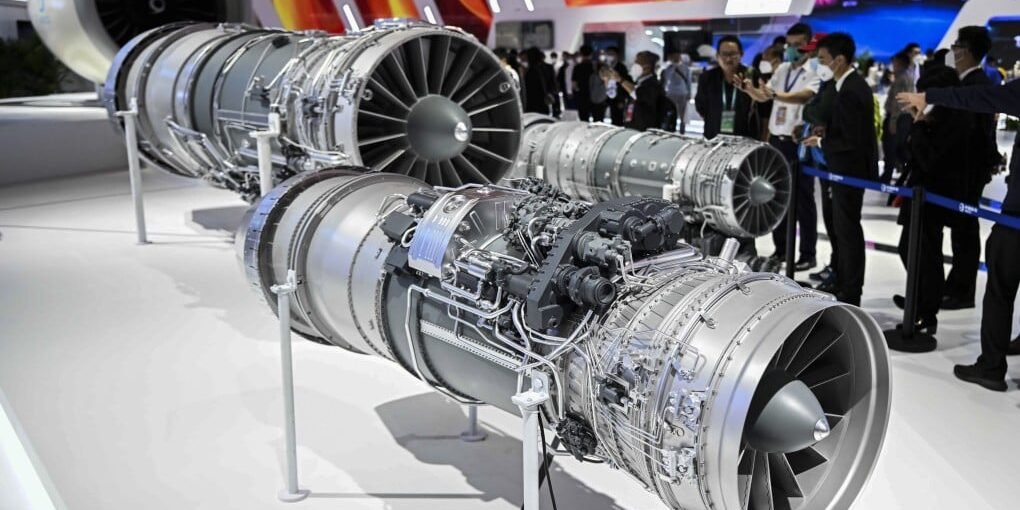
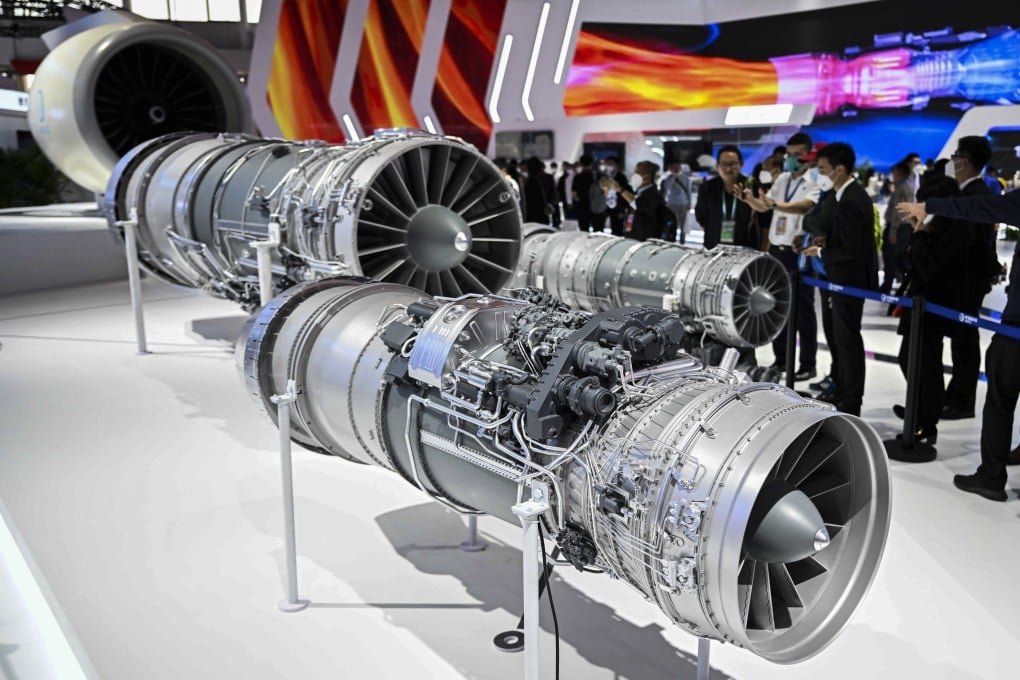
Silicon nitride is widely used in critical engine components such as:
- Turbine rotors and blades
- Combustion chamber liners
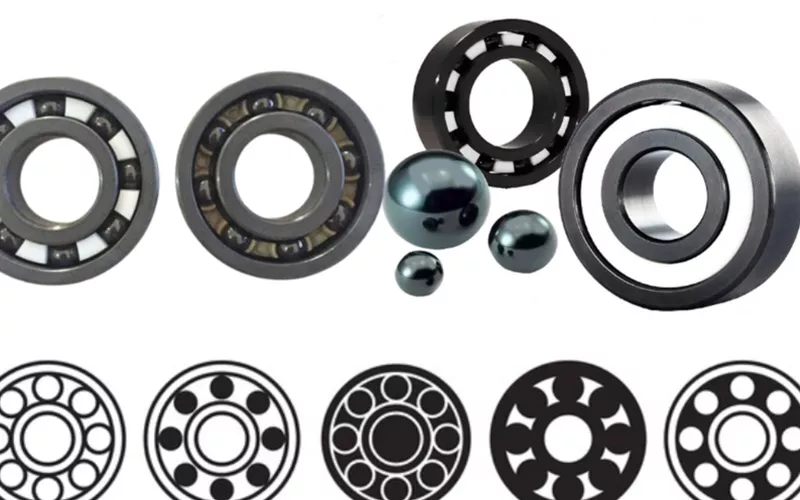
- High-speed bearings
Advantages:
- Reduced weight improves fuel efficiency
- High-temperature resistance enables higher engine operating limits
- Low friction reduces energy loss and wear
In particular, Si₃N₄ ceramic bearings significantly outperform steel bearings in high-speed jet engines due to lower thermal expansion and longer service life.
2. Spacecraft and Satellite Systems

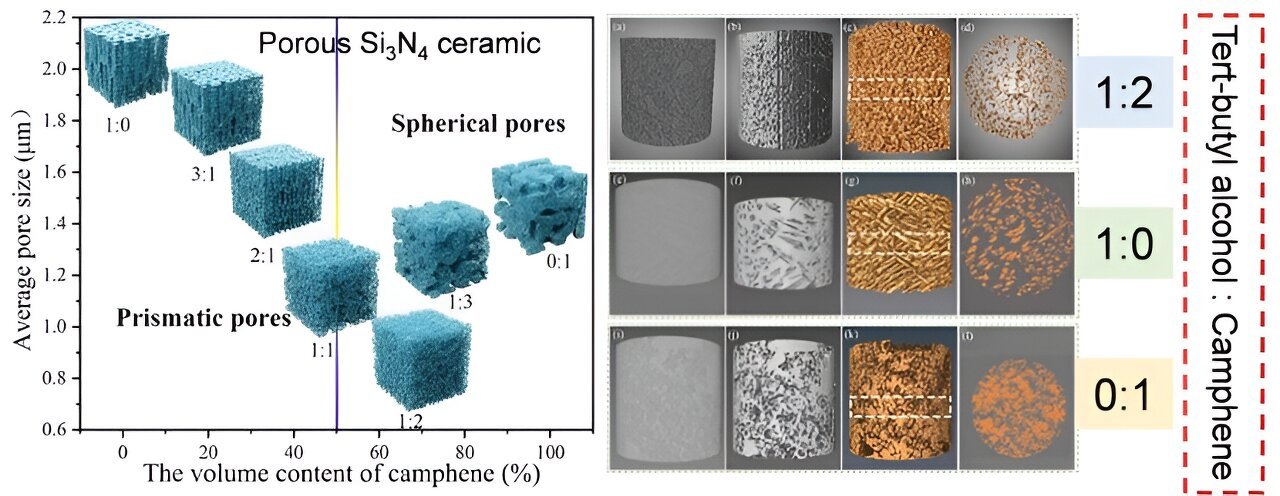
In space environments, materials must withstand:
- Extreme temperature fluctuations
- Vacuum conditions
- Radiation exposure
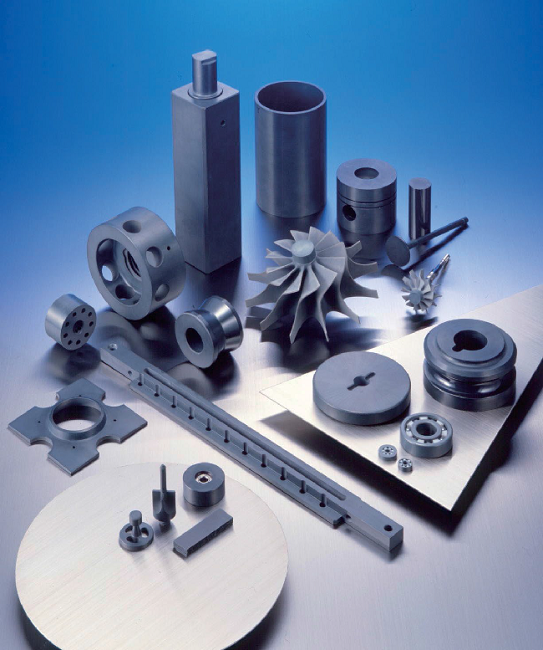
Silicon nitride is used in:
- Precision bearings for satellite mechanisms
- Thermal protection components
- Insulating structural parts
Its dimensional stability and resistance to thermal shock make it ideal for long-duration space missions.
3. Hypersonic and Defense Applications
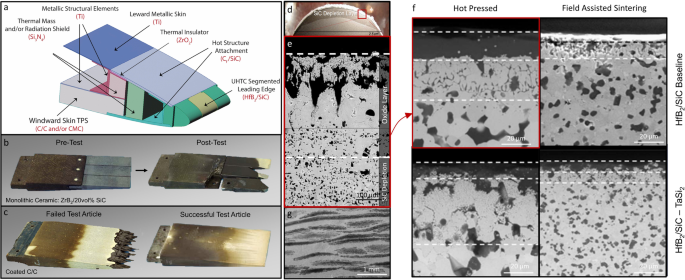
In hypersonic flight and defense systems, materials face:
- Temperatures exceeding 1200°C
- Severe aerodynamic stress
- Rapid thermal cycling
Silicon nitride is applied in:
- Radomes and sensor housings
- Leading-edge components
- Missile guidance system parts
Its high strength-to-weight ratio and oxidation resistance are essential for maintaining structural integrity at extreme velocities.
4. Aerospace Bearings and Wear Components
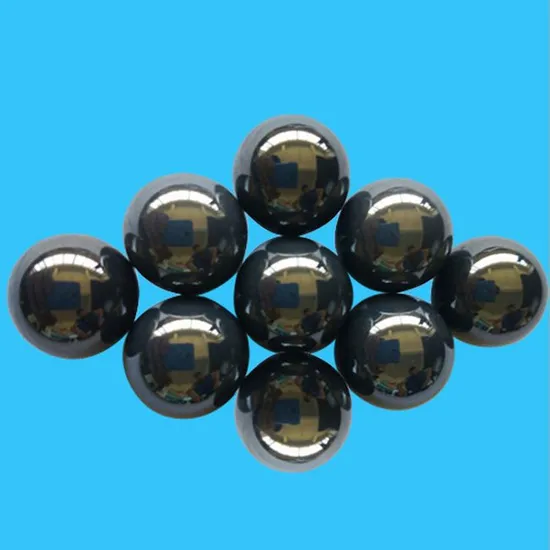
Si₃N₄ is a preferred material for rolling elements in hybrid bearings:
- Lower density reduces centrifugal forces
- Higher hardness increases lifespan
- Electrical insulation prevents current damage
These features are especially valuable in electric aircraft systems and advanced propulsion technologies.
Advantages of Silicon Nitride Over Traditional Materials
Compared to conventional aerospace metals such as titanium or superalloys, silicon nitride offers:
- Up to 60% weight reduction in certain components
- Higher thermal shock resistance, reducing failure risks
- Longer service life, lowering maintenance costs
- Chemical inertness, preventing corrosion in harsh environments
This makes Si₃N₄ a key enabler for fuel-efficient, high-performance aerospace systems.
Manufacturing Challenges and Precision Requirements
Despite its advantages, silicon nitride is difficult to process due to:
- High hardness and brittleness
- Complex sintering requirements
- Tight tolerance demands in aerospace applications
Therefore, aerospace-grade Si₃N₄ components require:
- Advanced hot pressing or gas pressure sintering (GPS)
- Precision CNC machining and grinding
- Strict quality control and inspection standards
Thermokera: Your Trusted Partner for Aerospace Silicon Nitride Ceramics
As a specialized advanced ceramics manufacturer, Thermokera provides high-performance silicon nitride solutions tailored for aerospace applications.
Core Capabilities
- Custom Silicon Nitride Ceramic Components (ODM/OEM)
- High-precision machining for complex aerospace geometries
- Material optimization for extreme temperature and stress conditions
- Scalable production from prototyping to mass manufacturing
Why Choose Thermokera?
- Deep expertise in Si₃N₄ material engineering
- Ability to meet tight aerospace tolerances and specifications
- Flexible customization for mission-critical structural components
- Reliable supply chain and consistent product quality
Thermokera supports a wide range of aerospace applications, including:
- Ceramic turbine components
- High-speed bearings
- Structural and thermal protection parts
- Customized complex Si₃N₄ assemblies
Conclusion: The Future of Aerospace Materials
Silicon nitride ceramics are redefining what is possible in aerospace engineering. With their unmatched combination of strength, lightweight performance, and thermal resilience, they are becoming essential for next-generation aircraft, spacecraft, and defense systems.
For companies seeking reliable, high-performance ceramic solutions, Thermokera stands out as a trusted partner capable of delivering custom silicon nitride ceramic components for aerospace applications.
FAQ: Silicon Nitride Ceramics in Aerospace
Q1: Why is silicon nitride preferred over metal in aerospace?
Because it offers lower weight, higher temperature resistance, and longer lifespan under extreme conditions.
Q2: Can silicon nitride withstand rapid temperature changes?
Yes, it has excellent thermal shock resistance, making it ideal for aerospace environments.
Q3: What types of aerospace components can be made from Si₃N₄?
Turbine blades, bearings, thermal shields, structural parts, and precision components.
Q4: Does Thermokera support custom aerospace ceramic projects?
Yes, Thermokera specializes in ODM/OEM manufacturing of customized silicon nitride ceramic components for aerospace applications.

About Author Thermokera Ceramics
Thermokera Electric Heating Ceramics Manufacturing Plant Sales Engineer, with 10 years of specialized experience in ceramic heating rods, alumina, and silicon nitride ceramic ignition products. Proficient in both Chinese and English, with expertise in international trade processes. Providing OEM solutions and professional consulting services for electric heating ceramic products.
April 11, 2026
Related Posts

April 13, 2026
